
If you’ve ever stumbled on a dark step or wrestled with an extension cord to light a garden party, then outdoor solar lights are about to become your new favorite shortcut. They’re simple to install, kind to the electric bill, and perfect for adding safety and personality to outdoor spaces. This piece takes an angle you haven’t seen a thousand times: how to use outdoor solar lights strategically as part of an evening experience—balancing brightness, atmosphere, and longevity so your yard looks great and works hard.
Why Think Beyond “One Light, One Place”
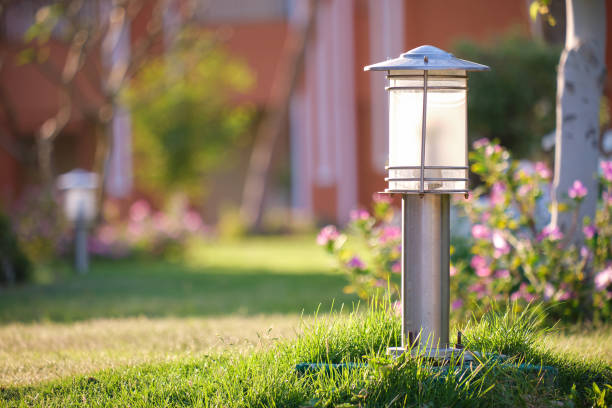
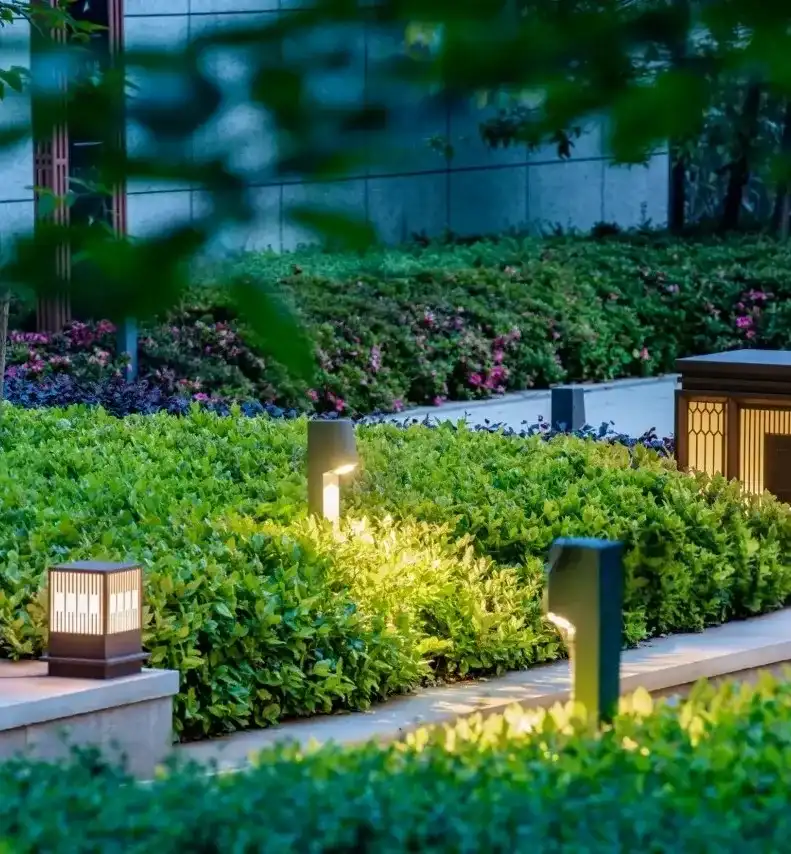
Most people buy one or two fixtures and hope for the best. The smarter play is to think in scenes. By planning a multi-tiered outdoor solar lighting system with guide posts, elegant wall-mounted lights, and eye-catching streetlights, you can easily control visibility, safety, and ambiance without frequent power outages. A layered approach also lets you pick lower-powered fixtures for ambiance and reserve brighter, sensor-driven pieces for tasks.
Choosing the right mix of outdoor solar lights turns walkways into invitations and dark corners into intentional accents.
The Design Trio: Function, Feel, and Durability
When you’re placing outdoor solar lights, consider three questions: What is the function? What feeling do you want to create? How exposed is the location? Answering these guides’ choices between soft, LED garden stakes and tougher, brighter spot-style units.
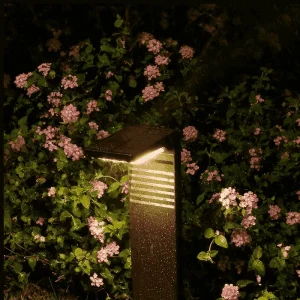
For instance, if you need discreet lighting that highlights plant textures, small LED garden stakes create a warm wash. If you want quick, powerful illumination near a back door, a motion-triggered wall fixture or spotlight delivers immediate safety.
And if the fixture will face sprinklers or heavy weather, choose a model rated for that exposure. Durability matters: a waterproof finish keeps your investment shining season after season.
Real-World Placement Recipes That Actually Work
Here are three practical setups you can copy. Each uses outdoor solar lights in different roles so you don’t over-light or underperform.
1) The Welcome Path
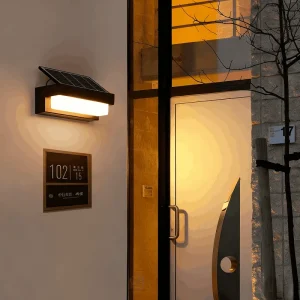
Line the main approach with low-profile garden stakes spaced to avoid dark gaps. Add a motion-activated fixture by the entry so visitors see faces—this blend of steady pathway outdoor solar lights and a bright task lamp is both hospitable and secure.
2) The Social Circle
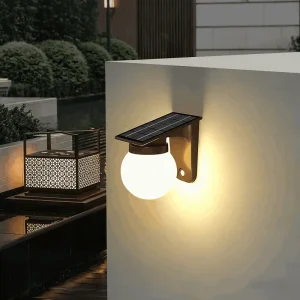
Put two or three circular wall accents or low bollards around seating to create a cozy perimeter. Mix in a few ground-level outdoor solar lights to highlight planters; the result feels curated, not lit by accident.
3) The Curb Appeal Boost
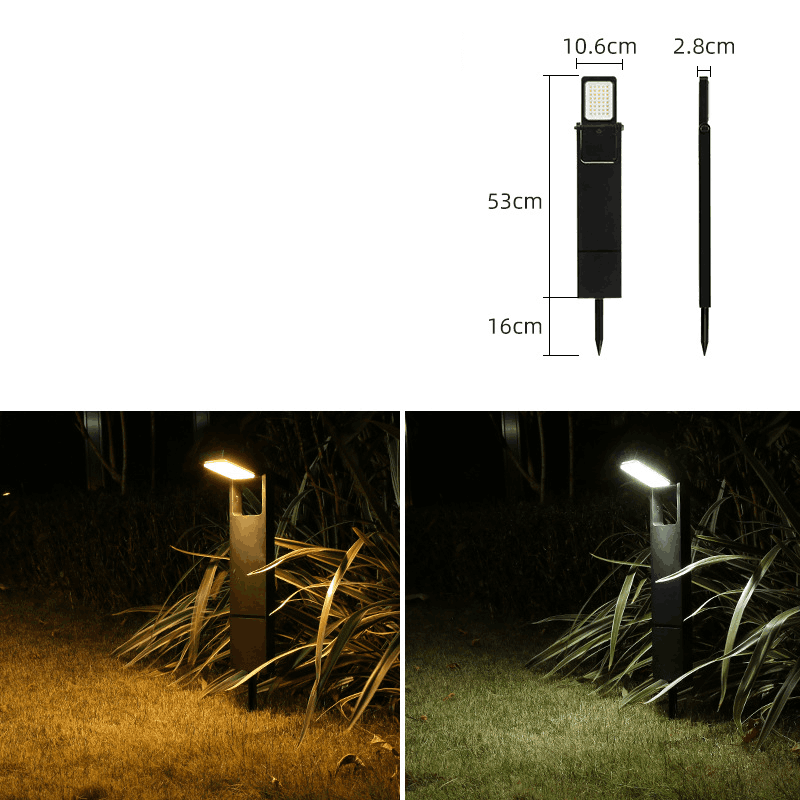
Use taller post-style or bollard outdoor solar lights to define driveway edges and large beds. A dual-color fixture is handy: flip to warm for hosting, and switch to white for clear visibility when you’re loading groceries.
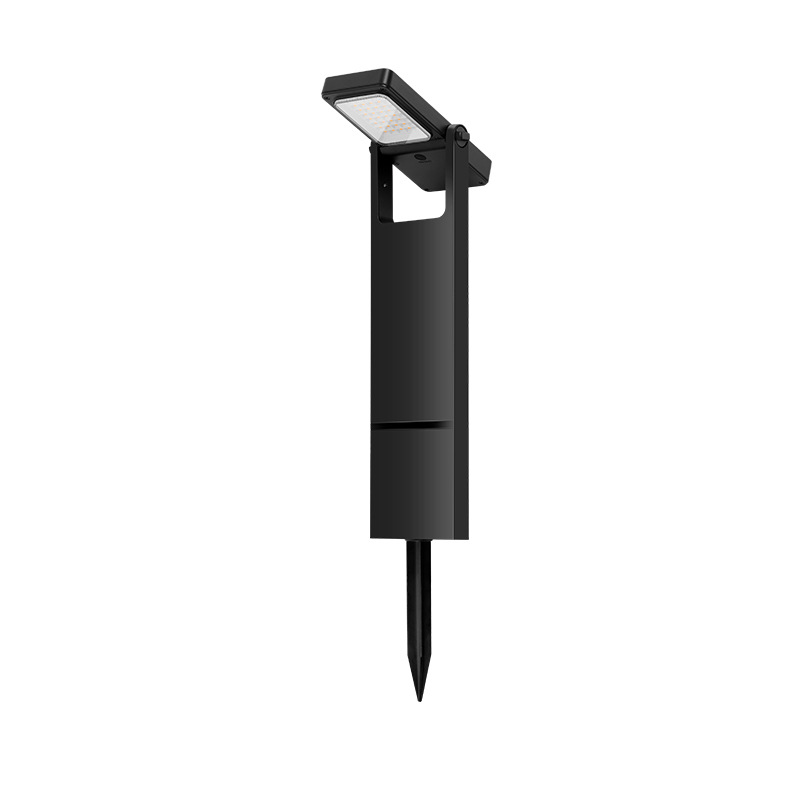
The Dual-Color Temperature Outdoor Solar Lights make switching tone simple while giving your driveway a clean, modern outline.
Getting Useful Brightness Without Wasting Power
“Bright” is meaningless unless it’s useful. Instead of buying the highest-output fixture for every need, pair lower-draw outdoor solar lights with occasional high-output nodes. Motion sensors are brilliant energy savers: they keep most lights dim or off, then deliver a burst of light when motion is detected. That approach extends nightly runtime and keeps your lights healthy across seasons.
Also, remember panel placement and angle. Even durable, waterproof units underperform if their panels never see sun. A 15–30 degree tilt toward the midday sun often yields noticeably longer evenings.
Don’t Fear LEDs—They’re Your Friend
LEDs are the backbone of modern outdoor solar lights: efficient, long-lasting, and kind to battery packs. Choose fixtures with well-diffused LED arrays for comfortable light, and avoid single, harsh spot beams unless you need targeted task lighting. Using a mix of diffused LED garden lights and a couple of directional spots gives both atmosphere and function.
Maintenance That Keeps Things Glowing
A small maintenance routine keeps your outdoor solar lights working like new. Wipe panels monthly, clear leaves from stakes, and verify seals after heavy storms. Replace batteries every couple of years if runtime drifts. These tiny habits prevent most downtime and are far cheaper than replacing an entire fixture.
Budget-Conscious Shopping Tips
If you’re upgrading the whole yard, start with high-impact areas: entry, path, and patio. Invest slightly more in weatherproof, longer-run wall or bollard pieces for those zones, and use economical garden stakes to fill in accents. This “spend where it counts” method gives dramatic returns in safety and curb appeal without breaking the bank.
A Note on Style: Make It Feel Intentional
Your outdoor solar lights should look like furniture for the yard, not afterthoughts. Pick finishes and forms that match your outdoor style—rounded circular wall accents for contemporary decks, slim stainless stakes for minimal gardens, and bold bollards for formal driveways. The right shape and tone make even modest fixtures feel purposeful.
Closing: Light Your Yard the Smart Way
Smart lighting is less about “more lumens” and more about better distribution, smart controls, and durable choices. Use layered scenes, pick fixtures with sensible waterproofing, and place panels where they can breathe sunlight. A fixture like the Dual-Color Temperature Outdoor Solar Lights works well as a flexible statement piece—pair it with low-profile garden lights and a motion-activated entry lamp, and you’ve built a yard that’s welcoming, safe, and energy-wise.
Upgrade your yard with outdoor solar lights—dual-temperature, durable, and stylish.