
If you want outdoor solar lights that keep shining season after season, waterproofing and durability are not optional—they’re the whole point. Cheap fixtures that fail after the first heavy storm are more frustrating than living in the dark. This guide walks you through what actually matters when choosing durable outdoor solar lights: ratings that mean something, materials that withstand weather, installation tricks that prevent moisture entry, and maintenance habits that keep panels charging. Expect practical advice, design-friendly tips, and product-minded recommendations so you buy once and enjoy reliably.
Why Waterproofing Matters for Outdoor Solar Lights
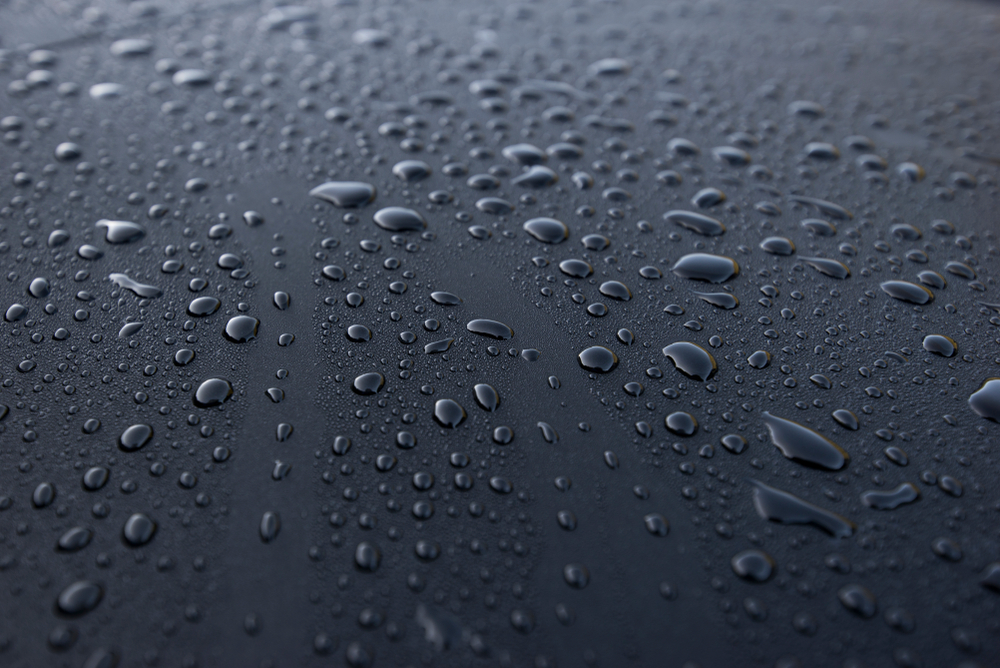
Outdoor solar lights are exposed to wind-driven rain, sprinkler spray, temperature swings, and sometimes salty air. Water and electronics don’t mix well; moisture can corrode contacts, fog lenses, and cause short circuits. Waterproofing and good sealing extend life, protect batteries, and keep lights performing at advertised brightness. When you’re evaluating outdoor solar lights, don’t get distracted by pretty finishes—pay attention to how well the unit keeps water out where it counts.
Understanding Ratings: IP, IPX, and What to Look For
Technical labels aren’t glamorous, but they’re useful.
IP Codes in Plain English
IP (Ingress Protection) ratings tell you how resistant a unit is to solids and liquids. An IP65 rating, often found on higher-grade wall fixtures, means the unit keeps out dust and can handle water jets—solid for exposed entrances and heavy-weather locations. Many garden stakes list IPX4, meaning they resist splashes from any direction—fine for lawns and pathways but less robust for high-exposure spots.
When shopping for outdoor solar lights, match the IP protection to the location:
- Front door or exposed facade → prefer IP65 or better.
- Garden beds, pathways, and under-eave spots → IPX4 usually suffices.
- Coastal or spray-prone areas: look for stainless materials and higher IP ratings.
As a practical example, a motion-sensor wall model with IP65 gives stronger weather protection than typical stake lights rated IPX4. Here, learn more about IP ratings.
Materials Matter: Plastics, Metal, and Finishes
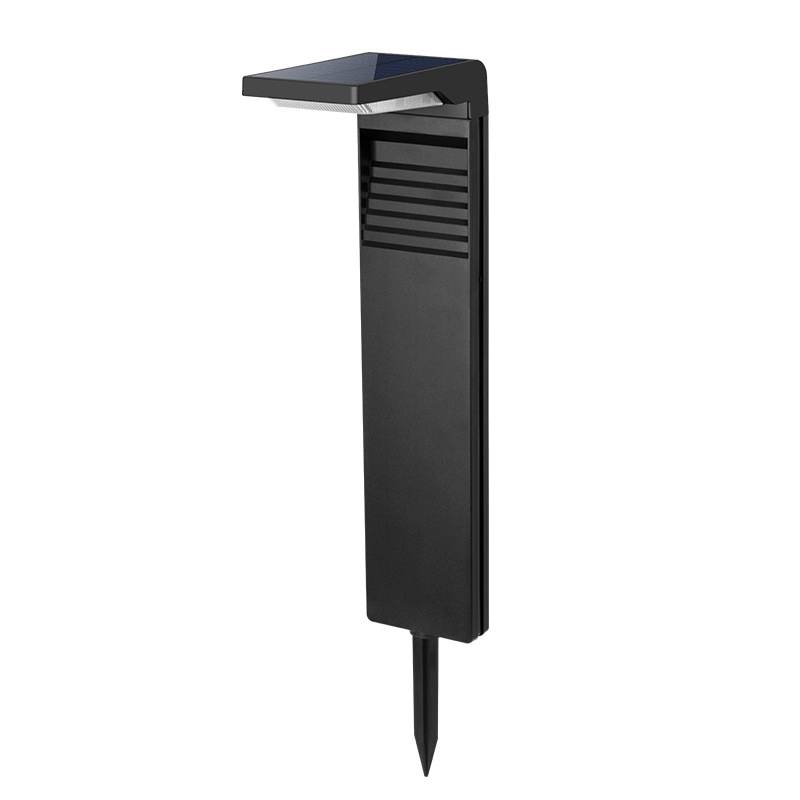
What your fixtures are made from affects longevity.
- Stainless steel resists rust and keeps looking sharp over time—ideal for pathways and driveway fixtures. If you prefer a premium, corrosion-resistant option, seek stainless elements in the product description.
- High-grade plastics are lightweight and affordable but vary widely in UV and impact resistance. Look for UV-stabilized plastics or reinforced housings for prolonged sun exposure.
- Coatings and finishes: Powder-coated metals and sealed joints help prevent flaking and water migration. Avoid thin, decorative finishes if your yard is windy or wet.
For garden and landscape lights, stainless-steel notes are a strong sign of durability. Some landscape models also call this out explicitly, so use that as a buying filter.
Design Features That Keep Water Out
Beyond IP and materials, watch for specific design touches that stop moisture from getting inside outdoor solar lights:
- Sealed battery compartments with rubber gaskets keep internal electronics dry.
- Raised panel mounts and drip edges prevent rain from pooling on the solar cell.
- Hidden screws and covered seams reduce points of water entry.
- IP-rated connectors and plug seals are critical for modular or removable components.
Fixtures that climb a little in price for better sealing usually repay the cost through longer life and fewer returns.
Where to Place Fixtures for Longevity
Placement is a durability strategy, not just an aesthetics decision.
- Avoid locations under dense tree canopies where falling debris and persistent shade shorten battery life and trap moisture on panels.
- Keep panels angled toward the sun and away from splash zones of sprinklers. Even IPX4 fixtures dislike being continually soaked by irrigation.
- Mount wall fixtures slightly under an eave when possible; the small shelter can dramatically reduce direct wind-driven rain while preserving performance.
- For coastal properties, put fixtures higher and pick models with corrosion-resistant materials—salt accelerates wear.
Small placement swaps often add months or years to how long outdoor solar lights stay reliable.
Product Choices with Durability in Mind
Let’s pair real product types with the environments they handle best—no dry spec sheet, just practical matches.
Heavy-Exposure Entries and Security
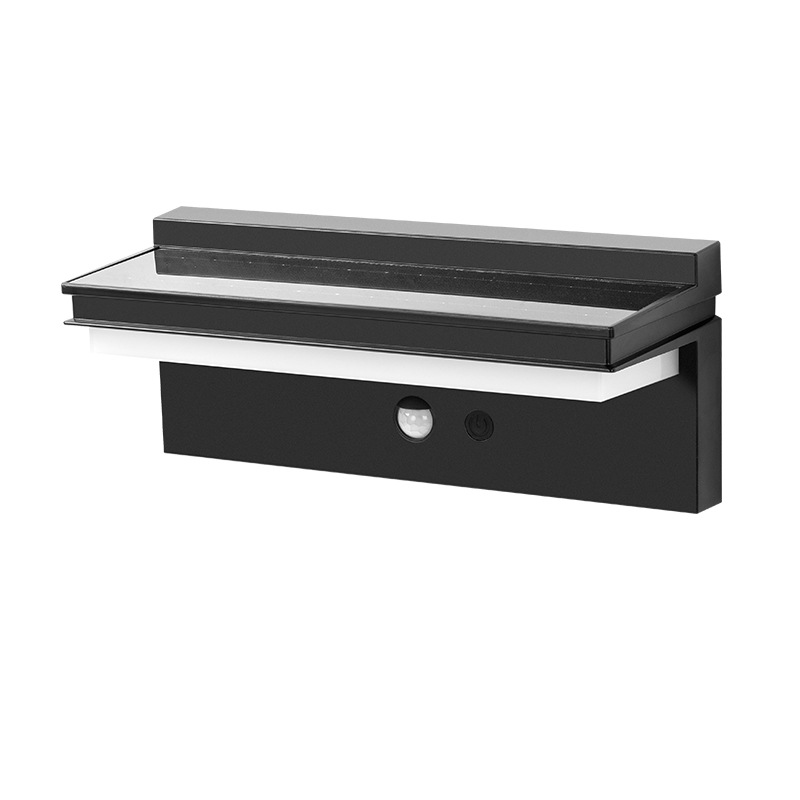
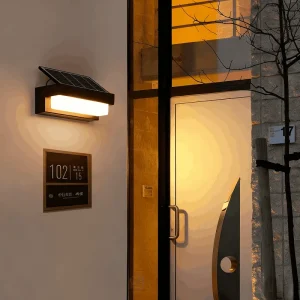
Choose a sensor-equipped wall light with higher weather protection. The Waterproof LED Outdoor Solar Lights with PIR Motion Detection are designed for doorways and exposed facades: motion-based lighting conserves battery, and the stronger ingress protection helps them withstand wind-driven rain.
Long-Run Wall Ambiance
For patios and corridors that need consistent evening glow, prefer a unit with longer runtime and solid sealing. The Modern Minimalist Design Outdoor Waterproof Solar Wall Light blends a glare-free look with extended performance, making it a practical long-haul choice for social outdoor spaces.
Accent Lighting That Still Survives
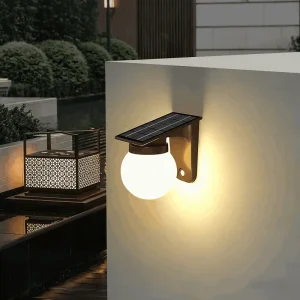
When style matters but you don’t want fragility, round wall fixtures that advertise good waterproofing are a nice compromise. The Modern Style Circular Outdoor Solar Lights give a polished look while standing up to routine outdoor conditions.
Garden Paths and Beds
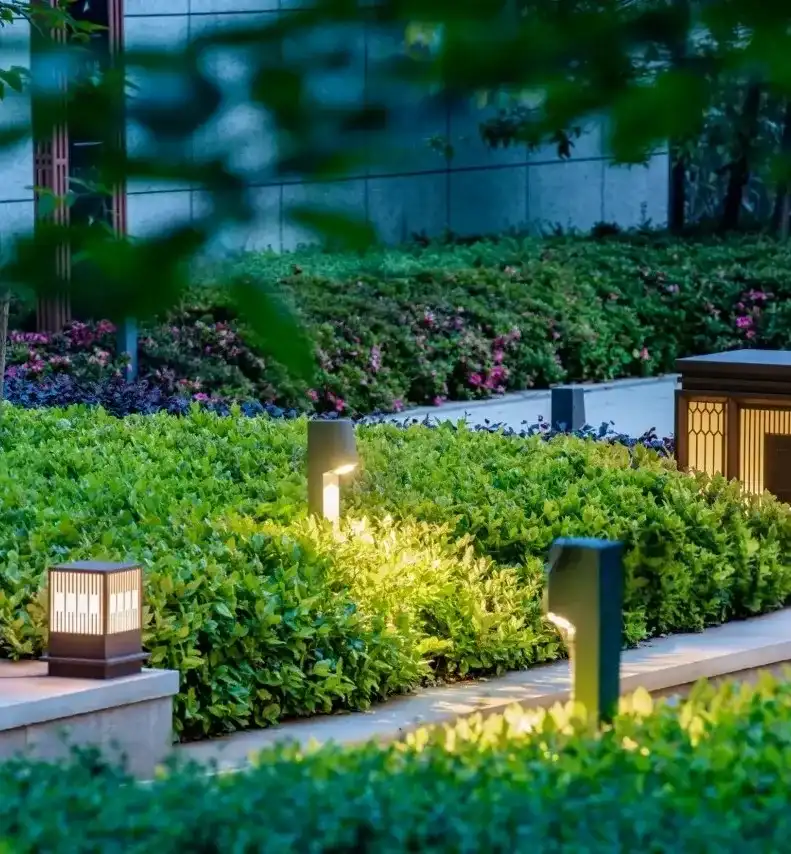
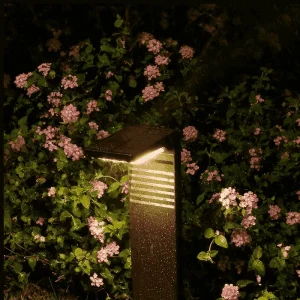
Stake-in-ground lights are naturally exposed but don’t require the same rating as front-door fixtures. Garden lights with an IPX4 protection rating are specially designed, such as the Outdoor Waterproof Solar Garden Lights and Solar Landscape Garden Lights, to withstand rain, sprinklers, and soil contact. If you see stainless steel noted in the description, that’s a bonus for corrosion resistance.
Driveways and Statement Lighting
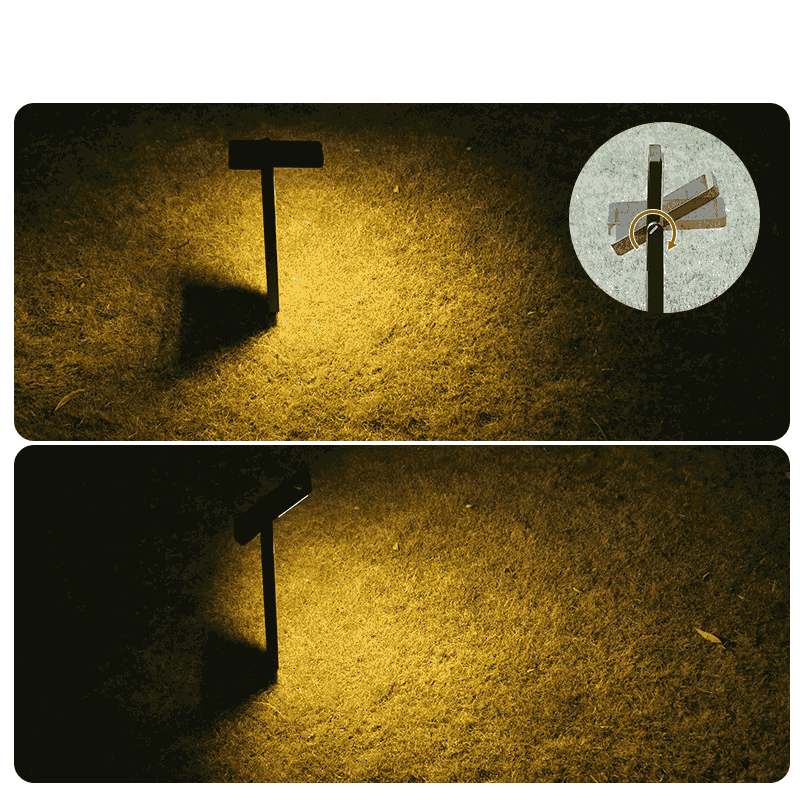
For larger landscape presence, choose bollard-style or dual-temperature units built for visibility and durability. The Dual-Color Temperature Outdoor Solar Lights use warm light to create ambiance and cool light to improve visibility and are designed specifically for common outdoor environments, combining practicality and design flexibility.
Installation Tips That Prevent Leaks
Even a well-sealed fixture can fail if mounted poorly. A few installer-friendly habits make a big difference:
- Seal wall penetrations. Use silicone caulk around mounting screws and base plates to block capillary flows.
- Face panels smartly. Angle solar panels toward direct sun and away from prevailing winds when possible.
- Use proper anchors. Tighten mounts to manufacturer specs to avoid stress cracks; don’t overtighten plastic housings.
- Avoid burying electronics. If a stake fixture pools water where it’s installed, move it slightly higher or improve soil drainage.
These small steps protect the internal seals and keep your outdoor solar lights working longer.
Maintenance Checklist for Decades of Light
Routine care is the simplest path to durability:
- Monthly: Wipe panels clean of dust, pollen, and bird droppings. Dirty panels reduce charging and force batteries to work harder.
- After storms: Check seals and mounts for looseness or visible moisture.
- Annually: Inspect batteries and replace if runtime drops significantly. Many systems allow battery swaps; this single maintenance action extends life dramatically.
- Every few years: Reassess placement if tree growth or new structures create shade.
A little attention keeps performance high and prevents premature replacements of outdoor solar lights.
Troubleshooting Water-Related Problems
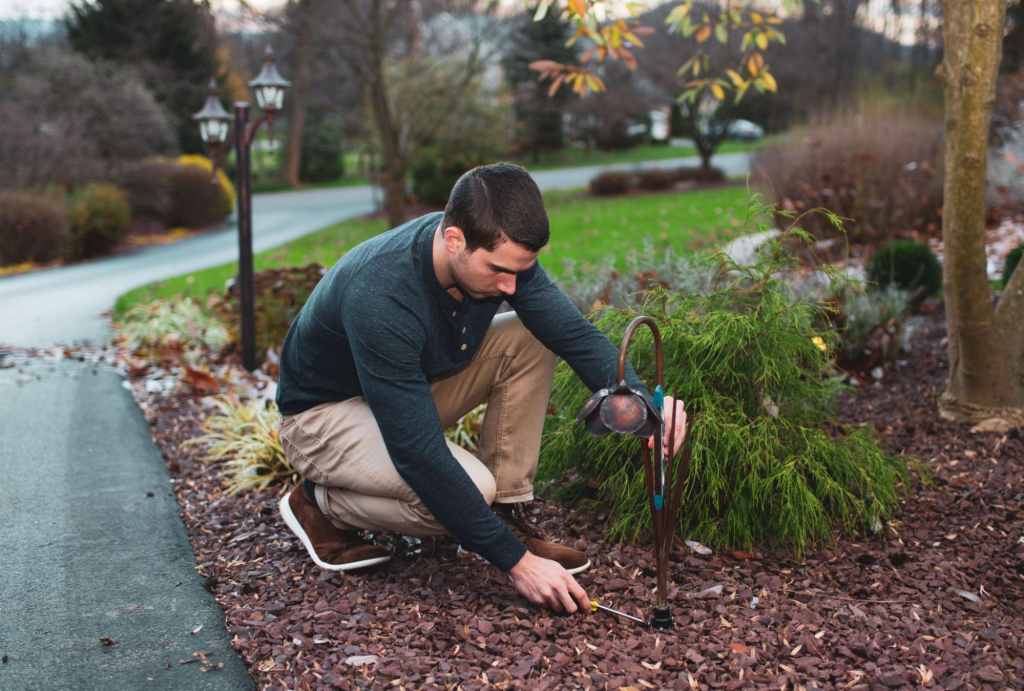
If you find condensation inside a light or intermittent operation after rain, here’s what to try:
- Remove and dry the unit in a warm spot; check rubber gaskets and reseat them.
- Look for hairline cracks near screw holes; small cracks are common failure points.
- Replace aged batteries—degraded cells attract moisture-related failures.
- If corrosion is visible on contacts, professional replacement may be the safest route.
Knowing these quick fixes often saves a trip to customer service and keeps lights in service longer.
Warranty, Returns, and Buying Smart
Durability claims are backed by warranties in the brands that stand behind their fixtures. Look for clear warranty terms and accessible after-sales support. If a listing highlights stainless materials or IP65 protection, confirm those claims in the product description and reviewers’ photos. Buying from a seller with simple return or replacement policies reduces risk. Contact us and get all your questions answered here.
Conclusion—Buy for Build, Not Just Beauty
Durable outdoor solar lights combine sensible ratings, robust materials, good design details, and smart placement. Choose IP65 wall fixtures for exposed entries, IPX4 stakes for pathways and beds, and stainless finishes where corrosion is a concern. Pair high-weather-protection wall lights for security with garden stakes for ambiance, and you’ll avoid replacements, returns, and disappointment. Invest a little more up front for sealed assemblies and quality materials—your yard will be better lit and lower maintenance for seasons to come.
Find durable outdoor solar lights for porches and paths—weatherproof and stylish. Shop now.