
If you’ve ever wondered what turns a sunny afternoon into a reliable porch glow, this post pulls back the curtain without the jargon. Understanding how outdoor solar lights convert sunlight, store energy, and deliver useful light helps you buy smarter, avoid regrets, and keep things bright for seasons. Read on for a friendly breakdown of panels, batteries, LEDs, controllers, and a practical buying checklist that actually helps.
The Conversion Chain: Sun → Panel → Battery → Light
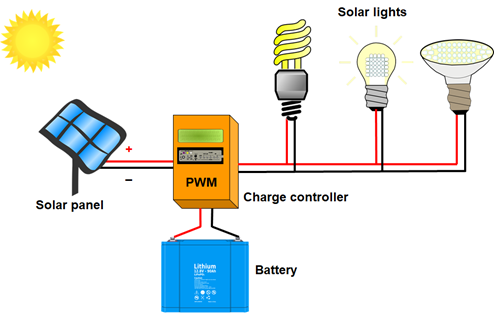
Every reliable system follows the same chain. Sunlight hits the panel, the panel fills the battery, and the battery feeds LEDs when night falls. That simple loop is what you’re paying for when you buy outdoor solar lights—but the trick is doing each link well. Panels that get full sun, clean battery connections, efficient LEDs, and smart controllers turn a decent fixture into one you’ll still enjoy next year.
Panels and Placement
Panels are literal gatekeepers for performance. Place them where they’ll get several hours of direct sun, avoid overhead shade, and give them a slight tilt to help rain and snow run off. Tiny placement tweaks often improve evening performance more than paying extra for a premium fixture. In short: the best outdoor solar lights still need sunlight to thrive.
Battery Chemistry Without the Headache
The battery stores the day’s sunlight as usable energy after dark. Rechargeable cells age, which is normal, so pick fixtures that let you replace cells easily—it’s cheaper than replacing the entire unit. Treat batteries well, avoid extreme heat and deep discharges, and you’ll keep your investment working longer.
LEDs: More Light for Less Juice
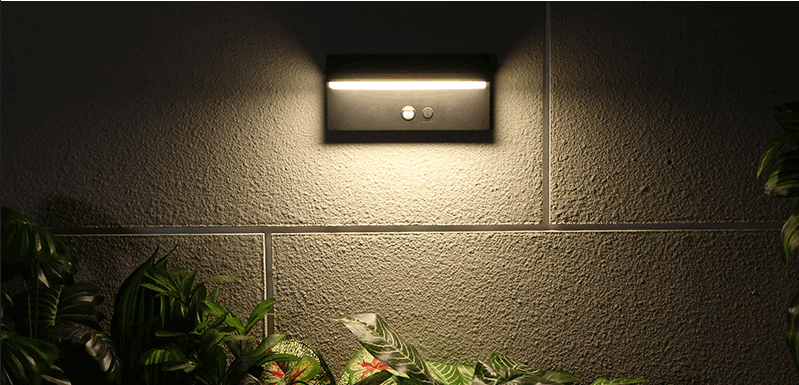
LEDs are why modern outdoor solar lights stopped being faint novelty items. They draw little power, last long, and produce clean light. For comfortable scenes, choose diffused LED arrays that avoid hard glare; for task areas, directional LEDs or spot-style fixtures give focused brightness where you need it. Also consider color temperature: Warmer LEDs feel cozy; cooler tones read as crisp and practical.
Smart Controls: Sensors, Timers, and Microcontrollers
Controllers transform a basic lamp into a thoughtful device. Dusk-to-dawn switches prevent daytime drain, while PIR motion sensors deliver bright light only when someone approaches. Good controls mean you don’t need an enormous battery bank—the fixture gets smart about distribution. If security matters, favor motion-sensing models instead of always-on flood fixtures for better runtime and fewer power surprises.
Design Trade-Offs—Brightness vs Runtime
A practical trade-off sits at the core of every purchase. High, constant output shortens runtime; conservative designs last longer but don’t blind the neighborhood. The most effective setups mix a few high-output nodes for tasks with many low-draw accents for atmosphere. That layered strategy yields perceived brightness across the yard without flattening batteries overnight.
Weatherproofing: Real Protection Matters
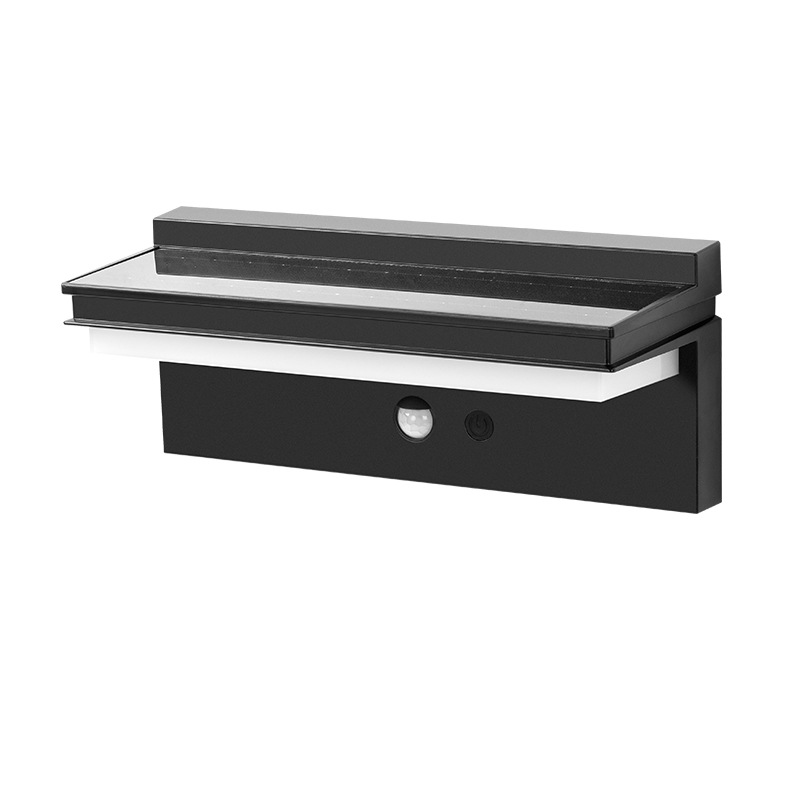
Weatherproofing is a durability strategy, not a marketing line. Look for sealed battery compartments, quality gasketing, and finishes that resist corrosion—especially if your site faces sprinklers, heavy storms, or salty air. A true waterproof shell reduces headaches, though regular inspection after storms is still a good habit.
Reliable Outdoor Solar Lights
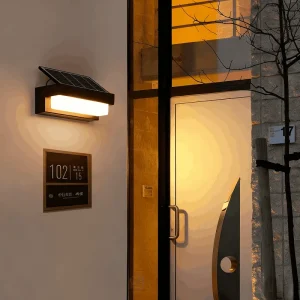
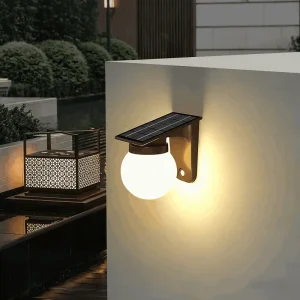
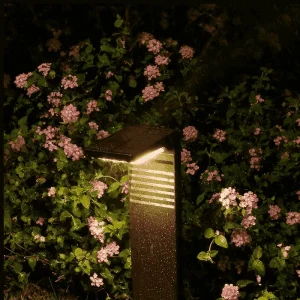
Want a single, dependable security fixture? Consider a motion-sensor porch model like the Waterproof LED Outdoor Solar Lights with PIR Motion Detection. It wakes when someone approaches, lights the entry area, and then rests to save charge—a behavior that makes it a useful anchor for the rest of your lighting scheme. Pair that with softer pathway accents, and the result is secure, welcoming, and efficient.
Installation Tips That Honor the Tech
Mount panels to see sun, not sprinklers. Aim motion sensors at approach paths. Use appropriate anchors and don’t overtighten plastic housings. After initial setup, test at dusk and tweak angles—a small change can add hours to nightly performance.
Maintenance That Keeps Things Glowing
A little care goes a long way: wipe solar panels monthly, clear debris from stakes, check seals after heavy rains, and swap batteries when runtime drops. These simple steps keep outdoor solar lights delivering consistent light and extend the life of equipment you already own.
Buying Checklist: A Short List That Actually Helps
- Can the panel get full sun where you plan to install outdoor solar lights?
- Do the outdoor solar lights use LEDs and smart controls so they run reliably?
- Is the housing genuinely waterproof with serviceable seals?
- Can you replace the battery when it ages, and is support available?
- Is the seller clear on warranty and replacement parts for your outdoor solar lights?
Answer these and you’ll avoid most post-purchase regrets.
Conclusion—Buy the System, Not Just a Glow
Once you understand the components behind outdoor solar lights, choosing the right light becomes easy, such as solar panels, batteries, LED chips, and controllers. Invest in a sensor-powered porch light like the Waterproof LED Outdoor Solar Lights with PIR Motion Detection, support it with tasteful pathway accents, and you’ll get bright, reliable nights without constant fuss. Light smart, place smart, and your yard will repay you with safety and style.
Secure your porch and brighten the yard with outdoor solar lights—shop sensor-powered models now.