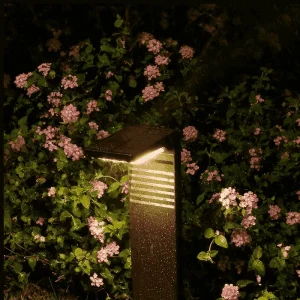

Have you ever had this experience? You excitedly bought a bunch of beautiful outdoor solar lights, imagining a romantic scene of twinkling stars in your garden at night. The result? Some lights barely lasted until 10:00 PM before fading out, some “went on strike” immediately after the rainy season, and others emitted a light so harsh it killed the ambience. Money spent, expectations shattered.
The problem is not with the concept of solar lighting itself, but with the dizzying array of products and confusing marketing. Choosing a reliable outdoor solar light is about far more than just price and appearance. Today, we will discuss the critical factors that are often overlooked yet directly determine your purchase’s success, ensuring you spend your money wisely for a truly lasting, reliable, and enchanting outdoor experience.
Step 1: Clarify Your Purpose—What Do You Actually Need It For?
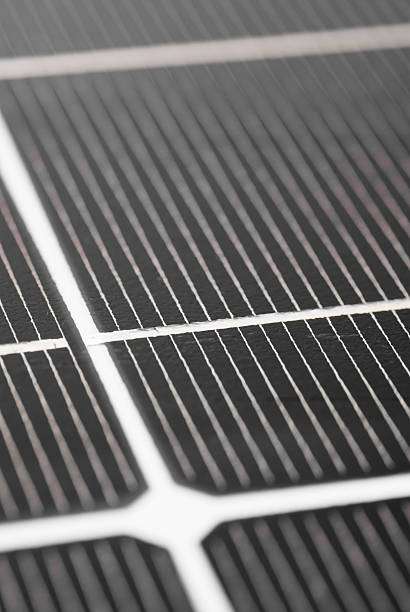
This sounds like common sense, but 90% of purchasing mistakes stem from this. Different outdoor spaces and needs correspond to entirely different product types.
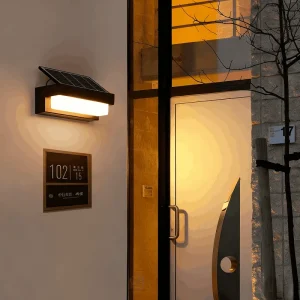
- For Safety and Convenience: If you need to illuminate porches, garage side doors, or backyard paths for safe walking, or want lights to trigger when someone approaches, motion sensing is a necessity. A waterproof solar wall light with a high-sensitivity PIR sensor is ideal. It highlights automatically when movement is detected within 6 meters and stays in energy-saving mode otherwise.
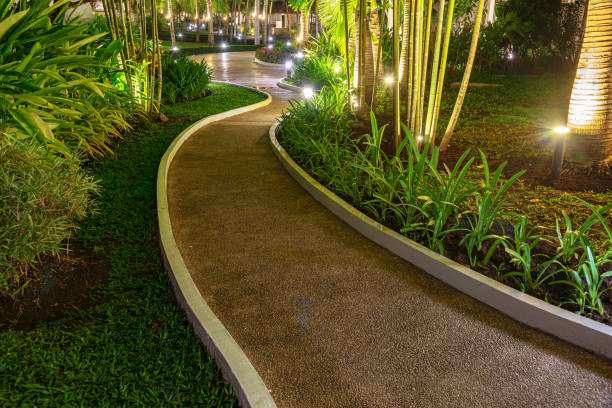
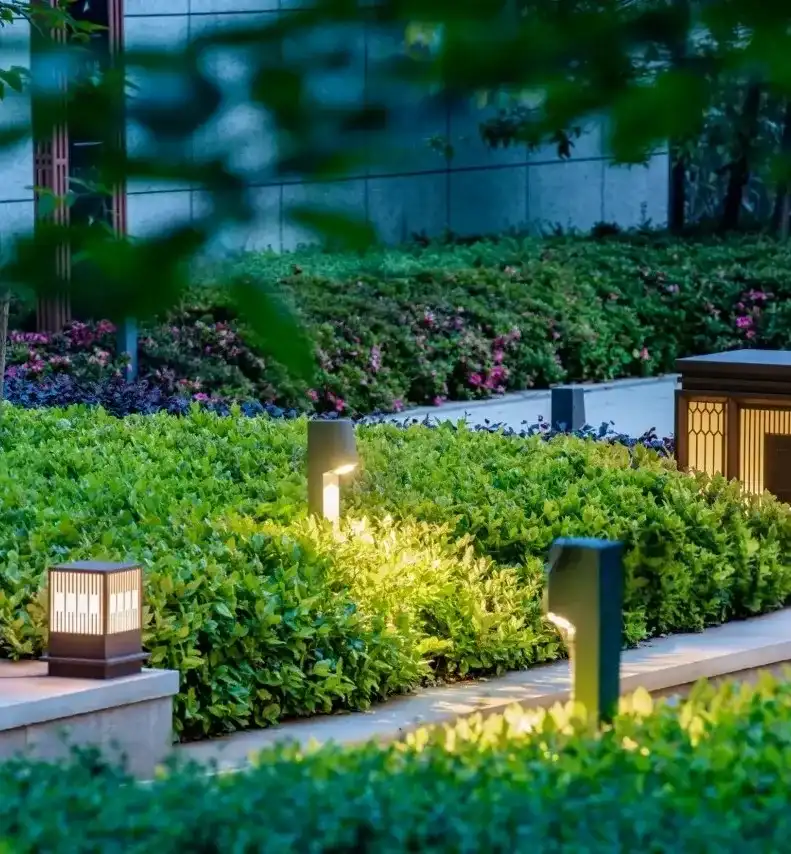
- For Ambience and Decoration: If you want to dot garden paths, enhance a romantic patio dinner, or highlight landscaping, light softness and design are your primary concerns. You need decorative garden stakes or minimalist wall lights with warm color temperatures to avoid glare.
- For Long-Duration Basic Lighting: If you want the light to stay on from sunset until late at night or provide base lighting all night, battery capacity and solar panel efficiency are core. Look for models with longer rated lighting times.
“Action Advice: Before browsing, take one minute to write down your primary usage scenario (e.g., ‘illuminate front door steps’). This will immediately filter out half of the irrelevant products.”
Key Metrics: Avoiding the “Word Games” in Marketing
Sellers love to highlight flashy data, but you need to know how to decode it.
1. “Lighting Time”: The Most Important Variable
“Lighting time 6-12 hours” is the most common label. This range is huge because it depends heavily on daily sunlight conditions. 6 hours might mean a rainy day or winter, while 12 hours represents a sunny summer day.
|
Feature |
Standard Product |
High-Performance Product |
|---|---|---|
|
Minimum Lighting Time |
6 Hours |
12 Hours+ |
|
Hardware Implication |
Standard battery/panel |
Large capacity / High efficiency |
|
Reliability |
Average in bad weather |
Highly reliable year-round |
2. Light and Color Temperature: The Ambience Shaper
Light color directly affects mood and functionality.
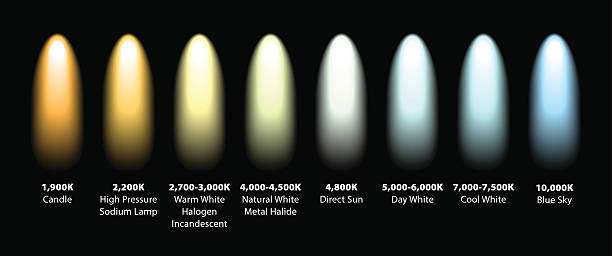
- White Light (approx. 6000K): Bright and clear. Best for porches, driveways, and work areas where detail and safety are vital.
- Warm Light (2700K-3000K): Soft and cozy. Ideal for gardens and balconies to create a relaxing atmosphere.
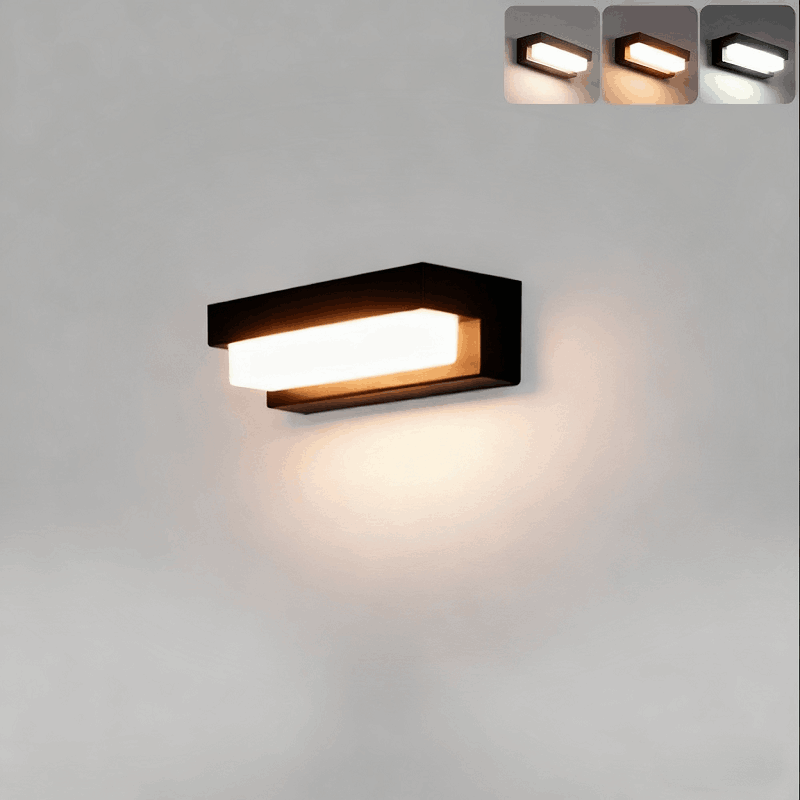
A more flexible choice is the dual-color temperature solar light, allowing you to switch modes based on the occasion—warm for parties, white for daily security.
3. Protection Level (IP Rating): The Code of Durability
Outdoor lights must withstand sun and rain. The IP rating is its “armor.”
- IP65: An excellent rating. “6” means dust-tight; “5” means protection against low-pressure water jets from any direction. Perfect for wall lights fully exposed to heavy rain.
- IPX4: Common for garden stake lights. “4” means splash-proof. This is sufficient for rain and garden sprinklers, but not for high-pressure washing or immersion.
Need professional-grade durability? [Please see details regarding IP waterproof certification.]
Smart Features & Installation: The Final Touches
Beyond basic light control, certain features significantly enhance the experience:
- Human Induction (PIR): As mentioned, a must-have for security areas to save power.
- Multi-mode Lighting: Some lights offer “Highlight/Dim/Sensor” modes for custom needs.
Installation Checklist:
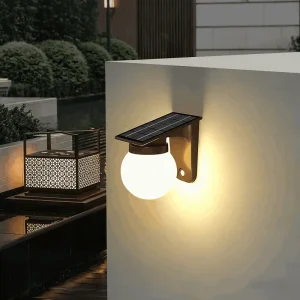
- Mounting Method: Wall lights require drilling; ensure brackets and screws are included. Garden lights are usually stake-style; check if the pole is sturdy enough for your soil.
- Material Quality: Does the look match your home’s architecture? Is it cheap plastic or textured metal/stainless steel? This affects both aesthetics and longevity.
- Solar Panel Placement: Ensure the installation spot receives direct sunlight for most of the day, avoiding deep shadows from eaves or trees.
Frequently Asked Questions (FAQ)
Q: How many hours of sunlight are needed for a full charge?
A: Ideally, about 6-8 hours of direct sunlight. They still charge on cloudy days through ambient light, but avoid installing them in permanent shadow zones.
Q: I live in a cold winter area; will solar lights still work?
A: Yes, but performance will drop. Low temperatures reduce lithium battery efficiency, and snow may cover the panels. Choosing a model with a larger battery capacity helps, and clearing snow occasionally maintains charging.
Conclusion: Care is an Extension of Love and Wisdom
Choosing outdoor solar lights is a balancing act between budget, appearance, performance, and needs. There is no “best” product, only the “most suitable” solution for you. Do not be misled by low prices or flashy slogans.
Next time you browse, bring this guide: First, anchor the purpose; then scrutinize the battery sincerity behind “lighting time,” check the IP rating survival armor, and finally select the right color and smart features for your scene.
“Wise purchasing means every cent invested translates into an exquisite, softly lit night you can look forward to. Start by clarifying your needs and finding the light that truly belongs to your home.”