
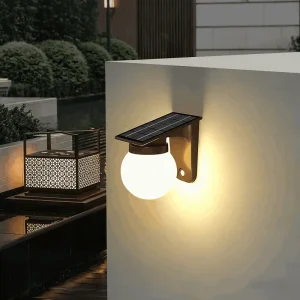
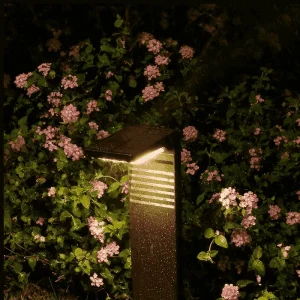

Want your yard to glow at night without turning it into an insect magnet or disturbing local wildlife? Outdoor solar lights offer a surprisingly gentle way to light outdoor spaces—when chosen and placed with care. This guide explains how light affects nocturnal animals, what fixture choices reduce harm, and how to design a wildlife-friendly lighting plan that still looks great and keeps your home safe. Expect practical tips, a quick product idea, and an approach that balances curb appeal with ecological responsibility.
Why Light Matters to Wildlife
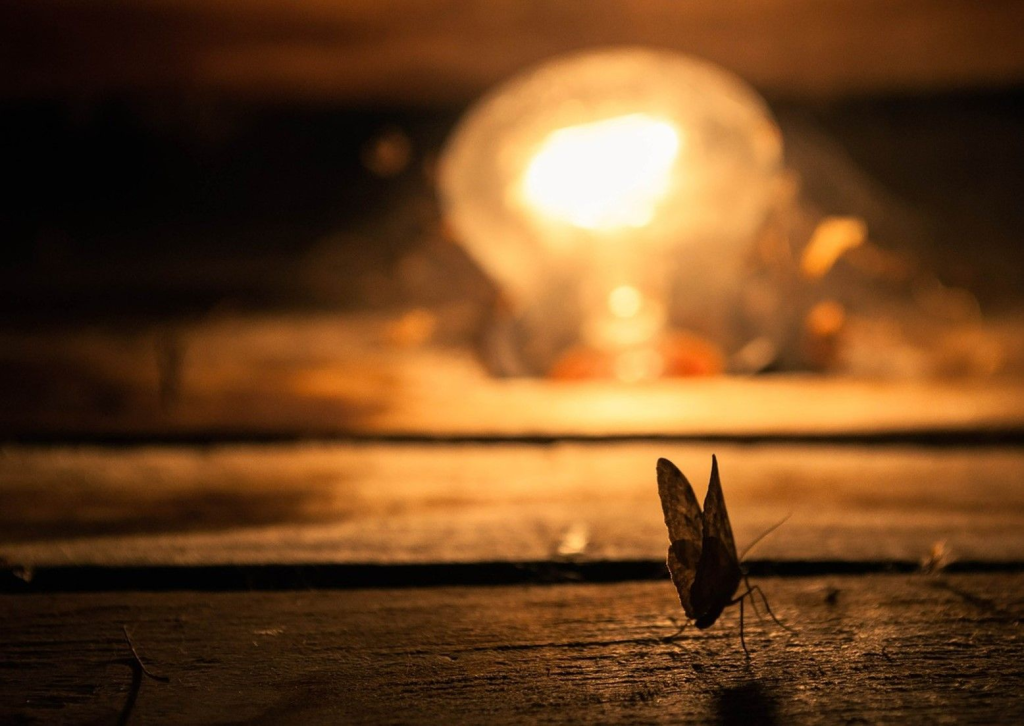
Artificial light changes how animals behave. Night pollinators, frogs, moths, and even migrating birds use natural darkness as a cue. Excessive or harsh lighting can disorient them, disrupt feeding patterns, and reduce biodiversity in your garden. Unlike wired flood lamps that blast power all night, outdoor solar lights often use LEDs and lower outputs that, when thoughtfully selected, can minimize disruption while still giving you the visibility you need.
Choose Fixtures with Wildlife in Mind
Not all garden lamps are equal. To protect local critters, favor these characteristics when shopping for outdoor solar lights:
- Use warm-toned LEDs rather than cool, blue-heavy light; warmer light attracts fewer insects and is less disruptive to nocturnal species.
- Prefer fixtures that diffuse light rather than casting sharp beams—soft washes create less glare and smaller light footprints.
- Opt for controls like motion sensors or timers so lights run only when needed; intermittent or short-duration lighting is far kinder to wildlife than all-night illumination.
- Pick designs that focus light downward to avoid skyward spill—this helps preserve night skies and reduces bird disorientation.
Guide guests, illuminate steps, or decorate the garden. These choices allow your outdoor solar lights to serve their purpose without disturbing local habitats.
Placement is the Real Power Move
Where you put fixtures matters more than how bright they are. Small shifts in placement dramatically reduce impact:
- Light pathways and thresholds, not the whole lawn. Guiding movement with a few well-placed garden lights limits light exposure across habitats.
- Keep fixtures away from known nesting areas or ponds where amphibians forage at night.
- Angle panels for sun, but angle lamps downward to minimize sky glow.
- Group lights close to the house and avoid scattering them into nearby riparian zones or tree canopies.
A lighting plan focused on human paths and safety leaves the rest of your yard as usable habitat for nocturnal life.
Use Motion Activation and Low-Duty Cycles
A spotlight that wakes only when needed does twice the good: it provides security for you and preserves darkness for wildlife. Motion-activated outdoor solar lights stay dark most of the night, then offer a bright, temporary burst when someone approaches. For decorative areas, use timers to dim lights after an hour or two—many critters adjust their behavior within minutes of exposure, so limiting duration reduces long-term effects.
Choose Warm Color Temperatures and Shielded Designs
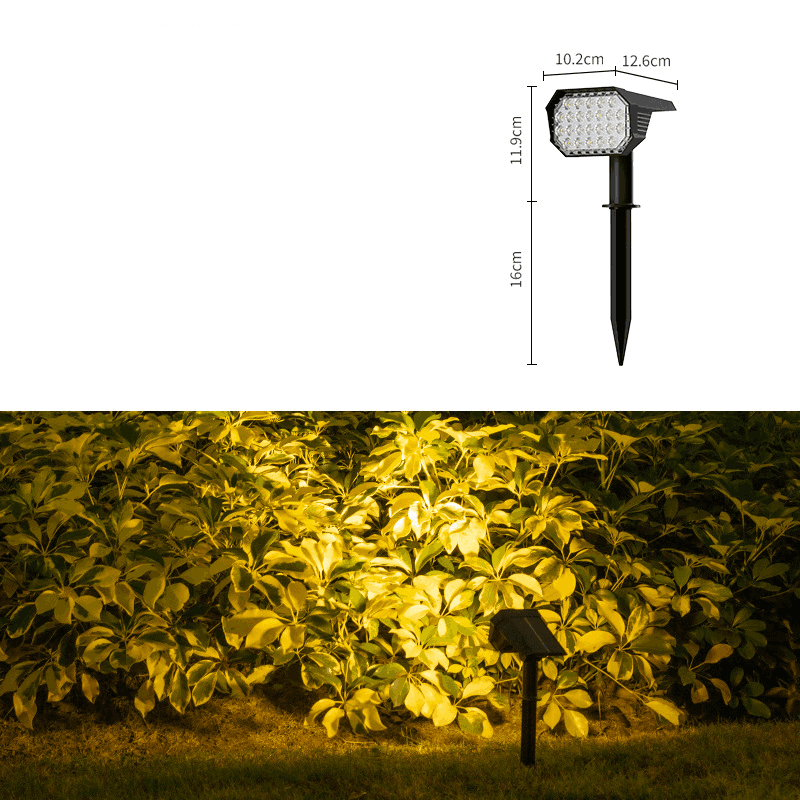
Light color matters. Warmer tones (around 2700K) are less attractive to insects and less disruptive to mammals and birds. Also, shielded fixtures that direct light downwards reduce scattering and create smaller, more humane light zones. When possible, test fixtures at dusk for how much spill they create before you commit to a full installation.
Plant-Based Strategies That Complement Lighting
Integrating planting choices with lighting enhances habitat without sacrificing safety.
- Use native, night-scented plants near seating zones to support pollinators that operate at dusk.
- Reserve unlit buffer strips of vegetation between illuminated areas and ponds or hedgerows.
- Add layered planting to give small animals escape routes away from lit paths.
Combining smart planting with measured outdoor solar lights strengthens local ecology while keeping your yard usable after dark.
An Outdoor Solar Light That Prioritizes Wildlife Protection
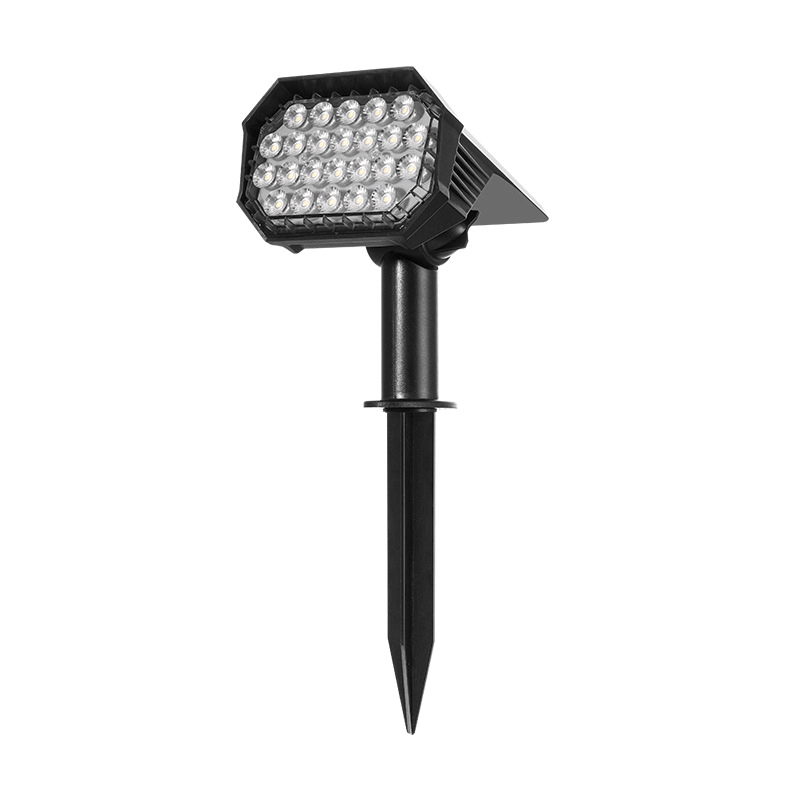
For people looking to balance beauty and biodiversity, low-spill, stake-style landscape lights are a practical choice. The Solar Landscape Garden Lights blend into plantings, cast soft downward light, and are easy to reposition as your garden matures. Used sparingly along paths and near patios, they help you see without flooding the night—which is the whole point of wildlife-friendly lighting.
Nighttime Etiquette for Neighbors and Community
Lighting choices ripple beyond your yard. Avoid shining lights into neighbors’ windows or onto shared green spaces. When organizing community events, prefer stringing temporary solar lanterns rather than amplifying permanent site lighting. Thoughtful use of outdoor solar lights communicates respect for both people and place.
Quick Checklist: Wildlife-Friendly Lighting Plan
- Pick warm LEDs and shielded fixtures.
- Prioritize motion sensing and timers over constant glow.
- Light the path, not the habitat.
- Maintain dark refuges near ponds and hedgerows.
- Use the Solar Landscape Garden Lights or similar low-spill stakes for subtle guidance.
Following this checklist helps you enjoy evenings outside without trading off your yard’s ecological value.
Conclusion—Bright Enough for People, Gentle for Nature
You don’t have to choose between a welcoming, well-lit yard and a healthy nocturnal ecosystem. Thoughtful choices about fixture type, color temperature, placement, and controls let outdoor solar lights serve both needs. Start small: light the path, favor warm LEDs, and use motion controls. With modest changes, your home can glow at night while still honoring the creatures that share your neighborhood.
Protect local wildlife with outdoor solar lights—shop soft, garden-friendly Solar Landscape Garden Lights