
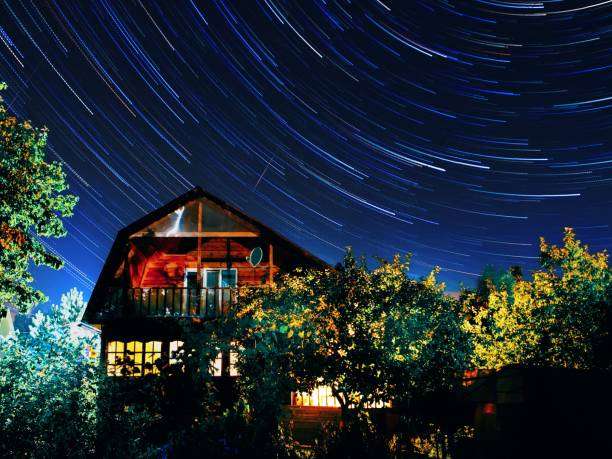
Do you remember as a child looking up to see the Milky Way stretched across the sky, paved with countless diamond-like fragments?
For most people living in suburbs and cities today, that dazzling night sky has become a distant memory, replaced by a layer of orange-yellow haze.
We illuminate our homes, streets, and gardens for safety and beauty, yet unintentionally create a problem: light pollution.
But the issue goes beyond just obscuring stars. This artificial light curtain alters the natural nighttime rhythms and may even disturb our own sleep.
When selecting outdoor lighting—especially wall lights mounted on a home’s exterior—have we considered that the light might reach places it shouldn’t?
The good news is that we can enjoy the convenience of safe, beautiful outdoor wall lighting while being responsible stewards of the planet. It’s about choice, not sacrifice. It’s about understanding the Dark-Sky Friendly lighting concept and selecting products designed for the benefit of stars, wildlife, and our own peaceful nights.
Poor Outdoor Lighting: It Takes Much More Than We Realize
Light pollution is far more than the romantic regret of “not seeing stars.” It is an ecological disruption, an energy waste, and an intrusion into serenity. Let’s look at the impact of a poorly designed wall light:
Sky Theft
Upward and scattered light reflects off dust and moisture in the atmosphere, creating the familiar urban light dome. This man-made glow drowns out faint starlight from distant stars and galaxies.
Studies show over 80% of the world’s population lives under light-polluted skies; the Milky Way has become a legend for most. We lose connection with the universe’s grandeur, and children lose the chance to ignite curiosity by gazing at the stars.
Silent Disruption to Wildlife
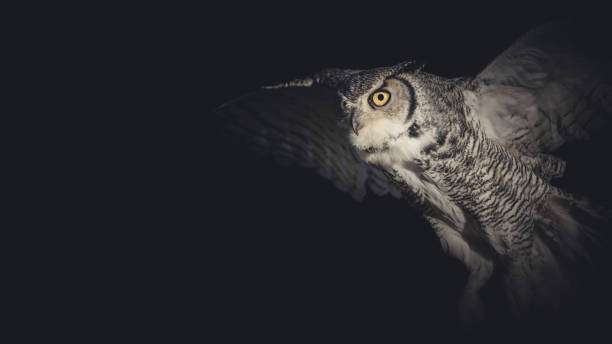
- Birds: Nocturnal migratory birds rely on starlight for navigation. Excessive or misdirected artificial light disorients them, causing collisions with illuminated buildings or exhausting them as they circle urban areas.
- Insects: Moths and other nocturnal insects attracted to lights gather around fixtures, becoming prey for bats and disturbing local food chains, leading to needless pollinator deaths.
- Small Mammals: Raccoons, squirrels, and other nocturnal creatures depend on darkness for foraging and activity. Intrusive bright light exposes them to predators or forces behavioral changes.
Disturbance to Humans
An overly bright, poorly angled wall light may shine directly into neighbors’ bedroom windows—creating light trespass—and disrupt sleep.
Even stray light entering our own bedrooms from backyard fixtures can interfere with melatonin production, impacting sleep quality.
Four Key Features of Dark-Sky Friendly Wall Lights
A good, responsible outdoor wall light is not dim—it is smart, precise, and functional. Its core characteristics are:
- Fully Shielded: Light goes only where it’s needed. Dark-sky-friendly fixtures ensure all light is directed downward to areas like steps, porches, and pathways, with no upward or horizontal spill to neighbors. The bulb itself should be invisible; only the illuminated ground or wall is visible. This is known as “Full Cut-off.”
- Glare Control: Soft, comfortable illumination. Anti-glare design diffuses light or uses shields to avoid harsh spots, allowing you to see clearly without squinting or averting your eyes.
- Appropriate Color Temperature: Measured in Kelvins (K). Lower values (2700K-3000K) produce warm white light like fire or sunset; higher values (5000K-6500K) produce cool white like noon sunlight. For residential nighttime environments, warm light below 3000K is recommended. It appears cozier, less disruptive to wildlife (especially insects), and minimally suppresses human melatonin.
- Smart Control: Lights illuminate only when needed. Motion sensors keep lights in low-power or standby mode, fully activating for seconds to minutes when detecting activity. This saves energy, extends solar battery life, and minimizes environmental disruption. Timers can also dim or switch off lights after midnight.
Practical Guide: Evaluating and Upgrading Your Existing Wall Lights
Step One: Nighttime Observation
Go outdoors and observe your current wall lights. Can you see bright, glaring bulbs directly? Does light shine upward on walls or eaves? Does spillover reach neighbors’ yards or windows? If yes, your fixtures are contributing to light pollution.
Step Two: Upgrade Selection
Replace with lights that meet the above criteria. When selecting new solar wall lights, make Dark-Sky Friendly a key consideration.
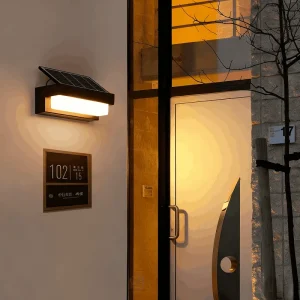
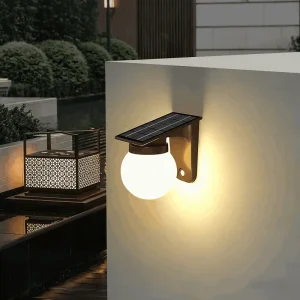
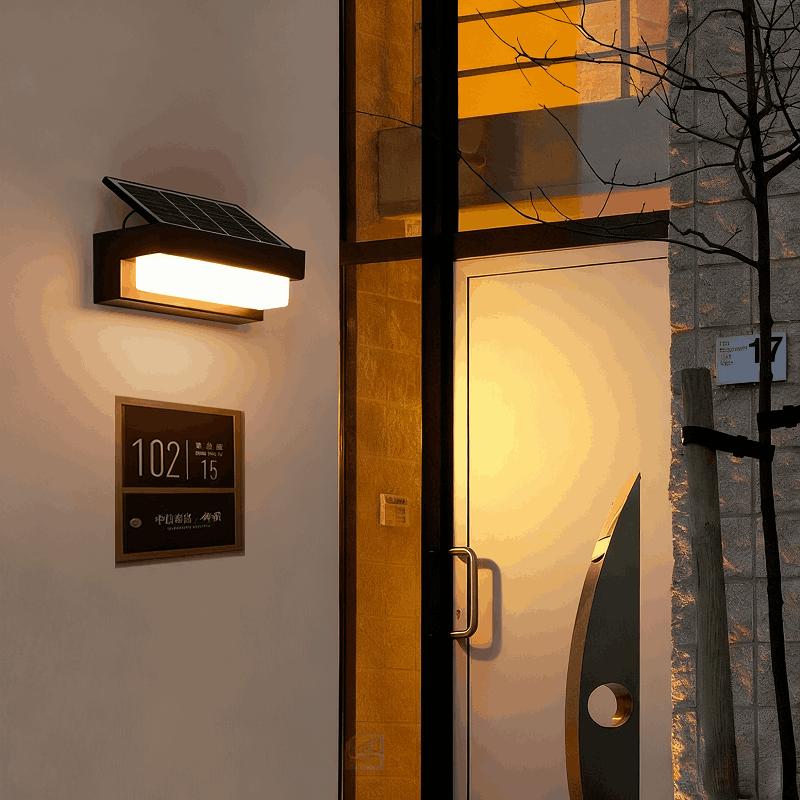
Natural Product Integration Example: A modern minimalist solar wall light with anti-glare design directs light precisely downward, avoiding random scattering to the sky and surroundings. Its subtle appearance does not distract, but its thoughtful design philosophy is profound. Choosing such a fixture provides safe, attractive outdoor illumination while actively protecting the shared nighttime environment.
Step Three: Proper Installation
Even with excellent fixtures, position and angle matter. Ensure lights are securely mounted and angled downward. Avoid installing too high, which broadens light spread unnecessarily.
Frequently Asked Questions About Friendly Lighting
|
Question |
Answer |
|
Will downward-directed light make my doorway or yard too dim? |
Not at all. In fact, the opposite occurs. When light scatters upward or sideways, the intended area receives less illumination. Fully shielded designs concentrate all light downward, illuminating target areas like steps and paths more efficiently, providing clear, glare-free vision. |
|
Solar wall lights stay on all night—isn’t that contradictory if the goal is to reduce light pollution? |
Great question—it highlights the importance of smart control. Solar energy is clean, and when paired with motion sensors, lights stay in low-power or standby mode most of the time, only fully activating when someone approaches. This maximizes solar use and minimizes impact on the night sky. |
Be a Night Sky Guardian: Start with One Light
Choosing a thoughtfully designed outdoor wall light is a simple yet powerful action. It’s not about sacrificing safety, convenience, or beauty, but about doing so more wisely and empathetically.
By paying attention to light direction, color temperature, and control, we are not just selecting a home product—we are voting for the nighttime ecology of our community. We help migratory birds navigate, reduce unnecessary insect deaths, allow children to spot constellations, and create a quieter sleep environment for ourselves and neighbors.
This light illuminates the path home while protecting the fragile darkness above, preserving the night sky. From today, let’s make choices that leave room for stars, wildlife, and our inner desire for tranquility.