
Light doesn’t just let us see—it tells a story about a place. The right outdoor solar lights can turn an uneasy stroll into a confident walk, a dark porch into a welcoming threshold, and a neglected yard into a social courtyard. This article explores the psychology behind how outdoor solar lights influence feelings of safety, neighborly behavior, and even local crime patterns. Expect research-backed ideas, practical placement tips, and one product suggestion that earns trust without shouting for attention.
Why Perception Matters More Than Lumen Counts
People respond to cues. A single, well-placed outdoor solar light often does more to improve perceived safety than a scatter of mismatched fixtures. Perception drives behavior: if residents feel safer, they go outside more, watch over their street, and notice things they would otherwise miss. This informal neighborhood vigilance is a crucial factor in improving actual safety levels.
So before you buy the brightest outdoor solar lights you can find, think about where and how light communicates care.
What “Feels Safe” Looks Like
Several lighting characteristics reliably increase comfort:
- Even illumination along routes. A strip of pathway lights reduces anxiety more than an isolated floodlight because it shows you the route, not just one moment.
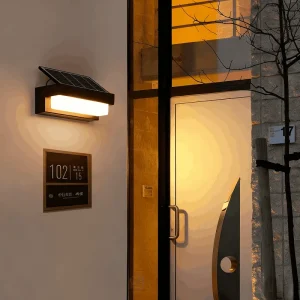
- Focused task light at entries. A wall-mounted sensor lamp at the door signals visibility for faces and packages—a single, effective outdoor solar light can do this job beautifully.
- Warm, diffused tones. Harsh, blue-white spots can create dark shadows and uneasy contrasts; warm LED hues read as friendly and human-scale.
- Predictable behavior. Motion-activated fixtures that reliably wake on approach are less startling than unpredictable flashes. People prefer lighting that matches their movement.
These cues are why thoughtful placement of outdoor solar lights is a social design choice, not a technical one.
The Social Ripple: How Lights Change Neighborhood Behavior
When residents perceive their block as cared for, behaviors shift in subtle but important ways:
- People are likelier to take evening walks and check on neighbors.
- Children play outside longer under approachable light, fostering casual encounters between adults.
- Delivery and service workers navigate more confidently, reducing mistakes and stress.
- Small businesses with well-lit outdoor areas get more evening foot traffic.
A few reliable outdoor solar lights, placed to support human movement and social spots, can cascade into a livelier, safer street.
Designing for Trust—Practical Placement Guide
Here’s a quick, psychological checklist for placing outdoor solar lights to maximize perceived safety:
- Frame entry points. Use a sensor wall fixture by the front door so faces are visible and packages are obvious. A motion-activated outdoor solar light reassures both residents and visitors.
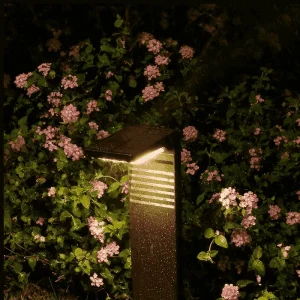
- Define paths, not just spots. Line steps and walkways with low-stake garden lights to guide movement and show the ground. Even spacing avoids dramatic dark patches.
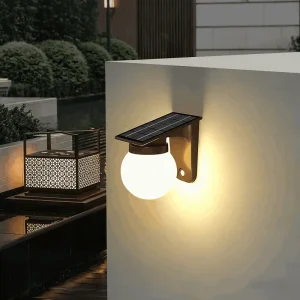
- Highlight thresholds and meeting spots. A circular wall accent or a pair of gentle post lights around seating areas invites lingering and conversation.
- Keep glare off faces. Mount lights to avoid shining into eyes—people feel safe when they can see others’ faces, not when they’re blinded by harsh beams.
- Choose a consistent color temperature. A unified palette (warm vs. cool) ties an environment together and communicates care.
These moves help a small number of outdoor solar lights punch well above their price.
Motion Sensors and Predictability
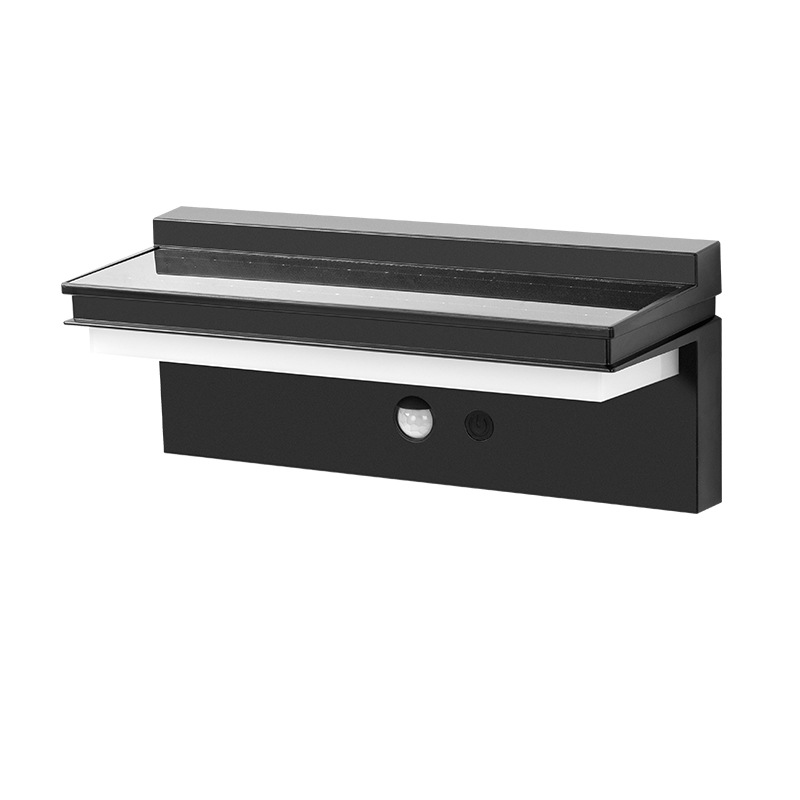
Motion-sensor Outdoor solar lights do a special kind of psychological work. They provide the reassurance of immediate light while conserving energy and avoiding constant glare. When an approach reliably triggers the fixture, residents learn to trust that their path will be lit—that predictability reduces startle responses and increases a sense of control.
The Waterproof LED Outdoor Solar Lights with PIR Motion Detection are a good example: a motion-enabled wall light placed by an entry signals both welcome and notice. Its focused activation is less intrusive to neighbors than an all-night flood and more useful for human behavior.
Safety vs. Surveillance: A Balance Worth Keeping
Lighting can encourage “eyes on the street” without turning neighborhoods into places where people feel watched. Aim for community-minded placement: light walkways and social spots more than private yards, and prefer fixtures that illuminate movement rather than stare into windows. Outdoor solar lights that respect privacy while increasing shared visibility encourage neighborliness without surveillance creep.
Small Budget, Big Effect: Where to Spend
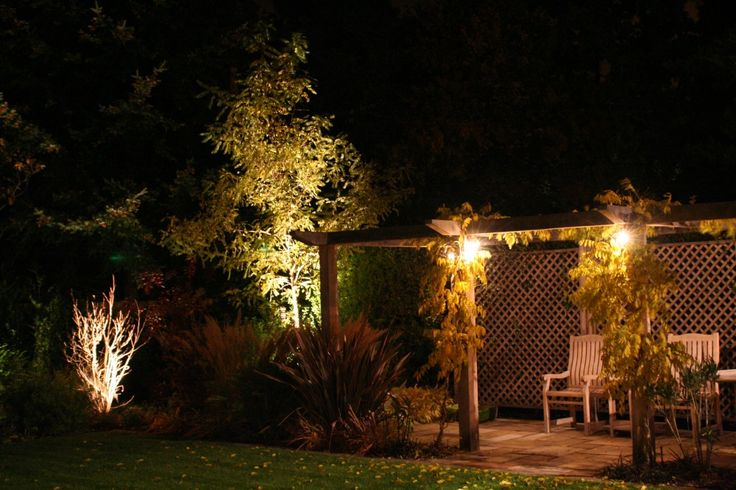
If you’re on a budget but want the biggest psychological return:
- Invest first in one or two motion-activated wall fixtures for main entries.
- Add a line of simple garden stakes to key routes.
- Use a single accent or post light to define a seating area.
A modest kit of outdoor solar lights, deployed with intent, creates consistent cues that read as care—and care encourages civic behavior.
Conclusion—Light That Makes People Act Kindly
Outdoor solar lights are more than bulbs and panels; they are tools of social design. Placed thoughtfully, they signal attention, invite lingering, and support safer patterns of behavior. Start with entry-focused motion fixtures and guided pathways, pick warm, human-friendly tones, and watch how a few considerate installations nudge your block toward more evening life and fewer worries.
Boost curb confidence with outdoor solar lights—shop motion-activated wall fixtures for safer entries