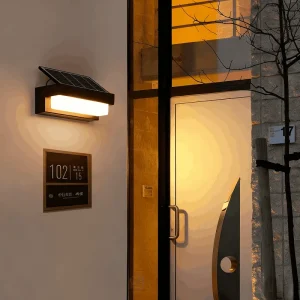
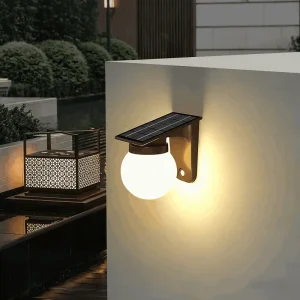
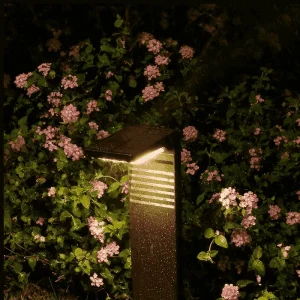

Outdoor solar lights are low-maintenance by design—but “low” doesn’t mean “no.” If you want dependable glow season after season, a small maintenance plan pays off. This guide focuses on what most people skip: battery care, eco-friendly disposal, seasonal preparation, and simple fixes that keep your lights bright. Whether you own a handful of pathway stakes or a fleet of wall and garden fixtures, these steps will extend life, improve performance, and reduce waste.
Why Maintenance Matters More Than You Think
You bought outdoor solar lights to avoid wiring and utility bills—not to micromanage them. Still, neglect lets panels get dusty, batteries weaken, seals fail, and performance drop off. A light that barely lasts until 10pm or flickers on cloudy nights is disappointing; the same fixture with a little seasonal attention can be reliable for years. Good care protects your investment and keeps the environmental promise of solar—fewer replacements, less landfill.
Start with Panels: Clean, Angle, and Check
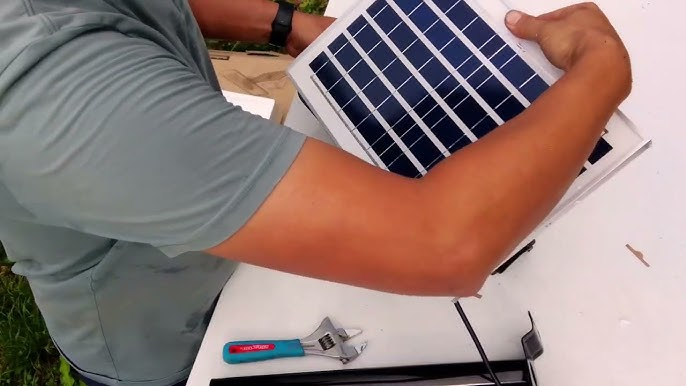
Panels are the engine. Dirty or shaded panels equal lower charge.
- Wipe panels monthly with a soft cloth and mild soap. Bird droppings, pollen, and dust are the usual suspects.
- Inspect the mounting angle every season. Especially in winter, a slight tilt towards the sun can extend operating time.
- Shade check: if trees or new structures cast shade, move the fixture or its panel. Even a single hour of direct sun loss can noticeably shorten night output.
Keeping panels happy is the easiest maintenance step with the biggest payoff for your outdoor solar lights.
Battery Care: The Overlooked Longevity Hack
Batteries are consumables. Treat them well and you delay replacement.
- Replace rechargeable cells every 1–3 years depending on climate and usage. Cooler climates slow batteries; hot summers accelerate wear.
- When swapping, use the specified cell type—don’t improvise. Replacing with the right chemistry restores runtime and reliability.
- If you plan to store fixtures for winter, remove batteries and store them in a cool, dry place. That prevents leakage and capacity loss.
Swapping cells is cheaper than replacing fixtures and far better for the planet.
Seals, Housings, and Waterproofing Checks
Even waterproof fixtures can develop leaks if seals degrade.
- Inspect rubber gaskets and screw holes annually, especially after storms. Reseat or replace gaskets when they flatten.
- Look for condensation under lenses—that’s a red flag. Dry the unit and reseal the housing before reinstalling.
- For fixtures near sprinklers or coastal spray, prioritize corrosion-resistant finishes and check metal parts for early rust.
A well-sealed fixture keeps electronics dry and batteries working—a small fix prevents a total failure later.
Seasonal Checklist: Spring, Summer, Fall, Winter
Maintenance timing beats random fixes. Try this cycle:
- Spring: Deep clean panels, test batteries after winter, and reposition any fixtures that leaned or shifted.
- Summer: Trim plants that cast new shade and monitor battery temps. Replace weak cells before long summer evenings.
- Fall: Angle panels for lower sun and clear autumn debris from stakes and housings.
- Winter: In heavy-freeze areas, remove batteries or take portable fixtures inside to avoid freeze damage.
A seasonal routine keeps your outdoor solar lights performing predictably all year.
Eco-Smart Disposal and Recycling
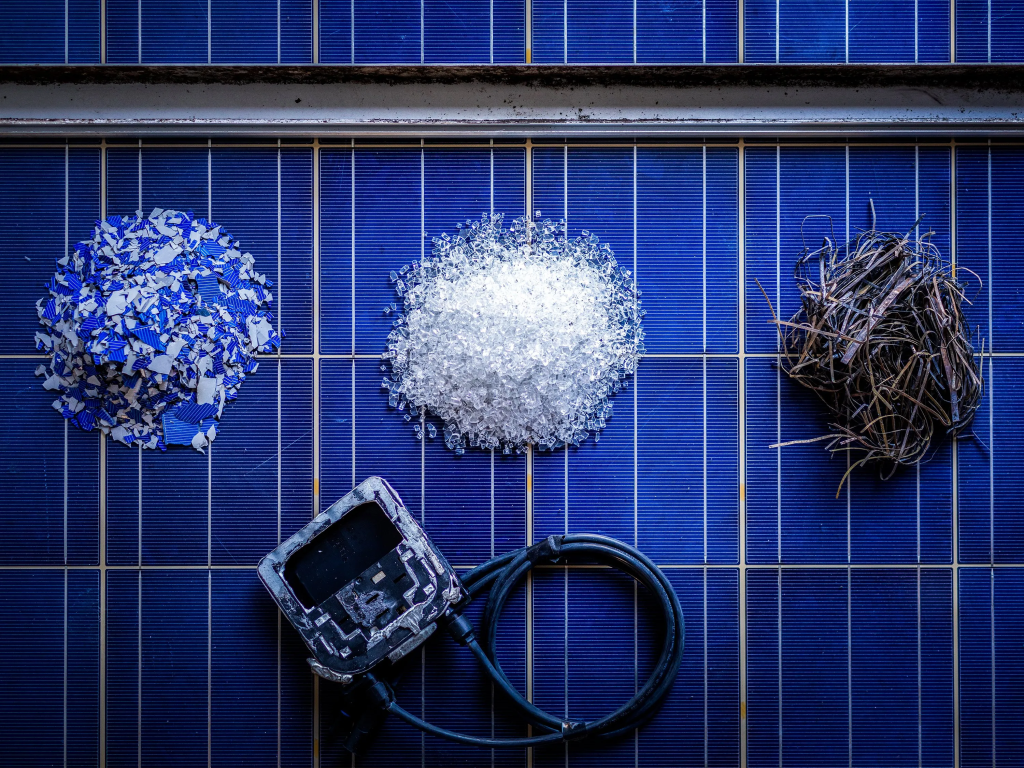
When batteries reach end-of-life, handle them responsibly.
- Rechargeable cells contain valuable materials—many local retailers and recycling centers accept them. Don’t toss them in household trash.
- If a fixture fails irreparably, separate recyclable metals and plastics where programs allow. Proper disposal reduces environmental impact and often complies with local rules.
Maintaining longer lifespans for outdoor solar lights reduces waste. When replacement is necessary, recycle.
Quick Fixes That Solve Common Problems
Before you throw out a lamp, try these fixes that revive many units:
- Clean the panel and test in full sun for an hour—low charge often masks battery versus panel issues.
- Reseat or replace the battery pack. Most runtime problems trace to aged cells.
- Tighten loose fittings and reseal gaps with silicone for a quick moisture fix.
- Swap positions with a known-good fixture to isolate panel vs. battery problems.
These simple steps save time and money, and they keep more outdoor solar lights in service.
Buy Tip: A Landscape Light Worth Maintaining
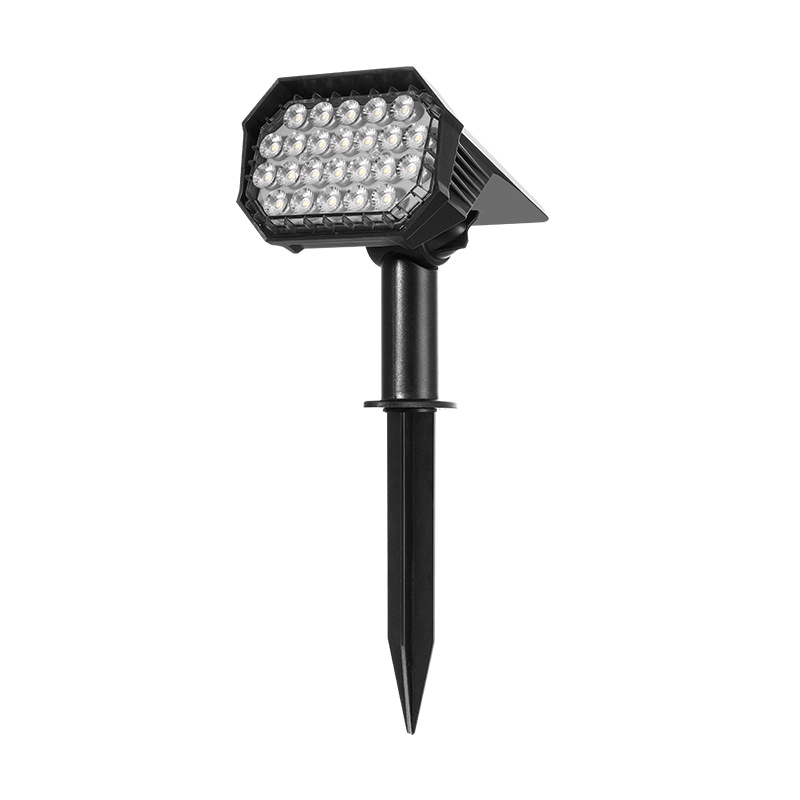
If you’re using stainless-steel garden fixtures or planning a path upgrade, the Solar Landscape Garden Lights are a smart choice. Their durable finishes tolerate weather, and they’re easy to service—panels are accessible, and the stake design makes battery swaps painless. For people who follow a maintenance plan, fixtures like these deliver steady performance and a long useful life.
Final Thoughts—Small Habits, Big Returns
A little maintenance turns modest outdoor solar lights into reliable, long-lived fixtures. Clean panels, timely battery swaps, seasonal checks, and eco-conscious disposal keep performance high and replacements low. Start with a quick spring tune-up and a plan to swap batteries every few years—your lights, your wallet, and the planet will thank you.
Keep outdoor solar lights shining—shop durable Solar Landscape Garden Lights for low-maintenance yards