
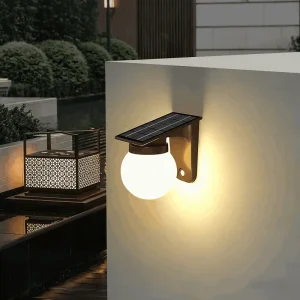
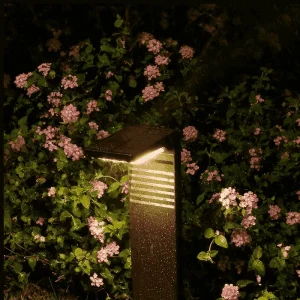

Power outages are the kind of surprise nobody enjoys—yet they happen more often than we admit. When the grid goes down, the right lighting makes the difference between a stressful scramble and a safe, even calming, evening. Outdoor solar lights are quietly brilliant emergency tools: they charge by day, run without grid power, and can be staged to guide everyone safely around the property. This guide gives you a practical, human-first plan for using outdoor solar lights in outages—placement, staging, maintenance, and a real product suggestion to get you started.
Why Outdoor Solar Lights Belong in Your Emergency Plan
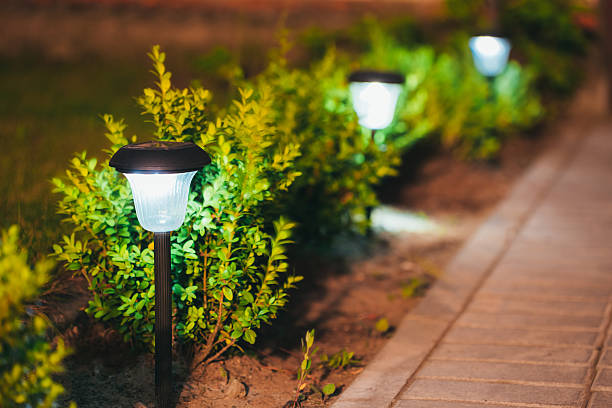
Think about the first 30 minutes of an outage: you want to find flashlights, check on family, and make sure walkways and entries are visible. Outdoor solar lights let you do that without hunting for batteries or tripping over extension cords. Because they’re sun-powered, they’re inherently independent: even when the house is dark, these fixtures can offer reliable, hands-free illumination. Add waterproof designs and efficient LED bulbs into the mix, and you’ve got dependable light that handles rain and late-night storms.
Where to Place Lights for Maximum Emergency Value
Not all outdoor solar lights are equal for outages. Place fixtures where people move, not where you’d merely like a pretty glow.
- Front and back entries: A motion-activated wall or porch light by each door is a game-changer when you’re fumbling with locks.
- Walkways and steps: Low garden stakes or short posts line routes so guests and family don’t misstep in the dark.
- Yard center/meeting spot: Pick a spot where you’d gather outdoors—a patio, large tree, or fire pit—and make sure it’s covered.
- Utility area: If you have a generator, propane tank, or emergency supplies, light that zone so refueling or access is safe.
When you stage outdoor solar lights with these priorities, an outage becomes a navigable moment rather than a chaotic one.
Types of Fixtures That Help and When to Use Them
There’s a place for decorative glow, but emergencies reward practicality.
- Motion-activated porch lights wake the entrance when someone comes near—great for security and for finding keys.
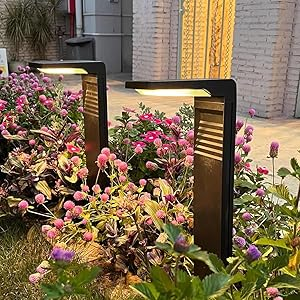
- Stake garden lights make pathways readable and reduce tripping hazards for kids and elders.
- Spot or post lights placed near a gathering area give broader, more useful illumination for cooking, checking supplies, or tending to kids and pets.
A humble stake light that’s waterproof and designed for garden beds can be shifted around during an outage. I recommend keeping a few portable stake fixtures you can push into pots or stakes and arrange as needed.
A Outdoor Solar Light Choice Worth Keeping on Hand
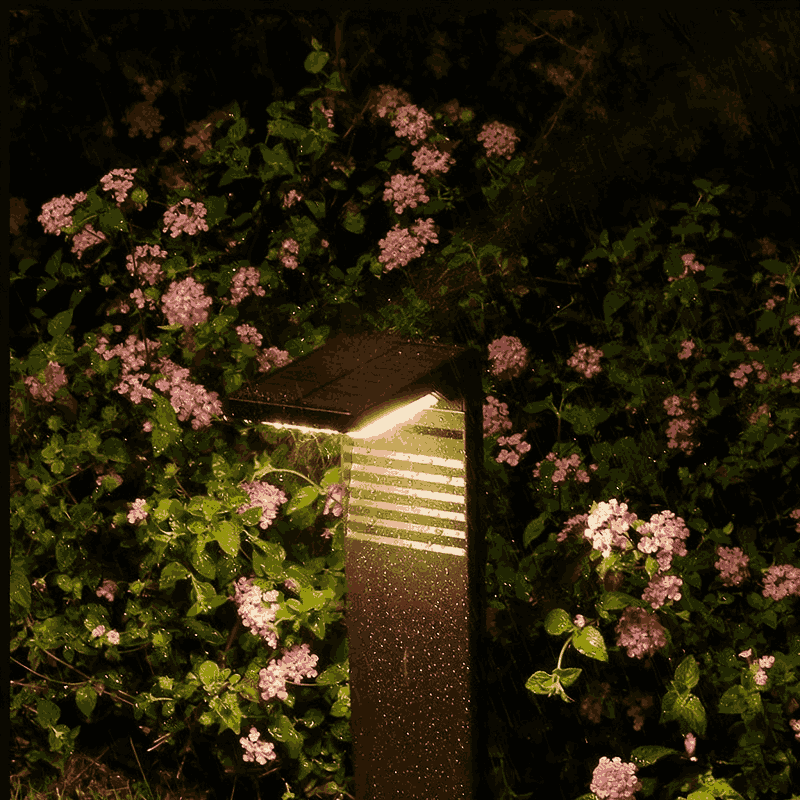
For practical emergency staging, the Outdoor Waterproof solar garden lights are a solid, no-drama option. They blend into beds and edges during normal life and become movable, weatherproof guides during an outage. Their design makes them easy to reposition—one minute they frame your roses, the next they mark a safe route from the driveway to the porch. Because they’re built to handle rain and sprinklers, you don’t need to baby them when weather gets rough.
Battery Strategy: Treat Them Like Your Spare Tire
Batteries are the consumable part of the system, so adopt a few habits:
- Keep panels clean and sun-facing so batteries start each evening as full as possible.
- Rotate a couple of portable fixtures to the sunniest spots during the day if you expect a storm.
- Replace aging cells on a schedule rather than waiting for a failure. Fresh batteries mean longer, more useful light when the grid is down.
These small routines keep your outdoor solar lights ready when they matter most.
Quick Deployment Drills That Save Time
A short practice run saves panic in a real outage:
- Once a season, stage your emergency layout at dusk: put lights at entries, paths, and the gathering spot.
- Time how long key fixtures stay bright—that gives you a realistic sense of how much light you can depend on.
- Label a small kit with spare batteries and a folding stake or two; store it near your emergency supplies.
Doing this once makes emergency lighting feel like muscle memory rather than a last-minute scramble.
Weather and Redundancy: Plan for the Cloudy Days
Solar depends on the sun, so have backup plans. Consider pairing your outdoor solar lights with a small, portable battery pack or a crank flashlight inside. If you live in a region with long stretches of overcast weather, prioritize fixtures with efficient LEDs and the ability to run in low-power mode—that way your outdoor lights can still offer short bursts of useful illumination even on gloomy days.
Everyday Value Beyond Outages
Here’s the best part: prepping with outdoor solar lights pays daily dividends. Those same stakes and posts that guide you during an outage also welcome guests, improve curb appeal, and reduce energy use. The emergency case is the moment their value becomes obvious, but the payoff is constant.
Conclusion—Light Your Way When It Counts
Outages are inconvenient, but with a little planning your yard doesn’t have to be an obstacle course. Stage outdoor solar lights at entries, paths, and gathering spots; keep panels sun-facing and batteries healthy; and keep a couple of portable, waterproof garden lights like the Outdoor Waterproof Solar Garden Lights ready to redeploy. The result is calm, practical light when the power goes out—and prettier evenings the rest of the time.
Be outage-ready with outdoor solar lights—shop waterproof garden lights for flexible, reliable outdoor illumination