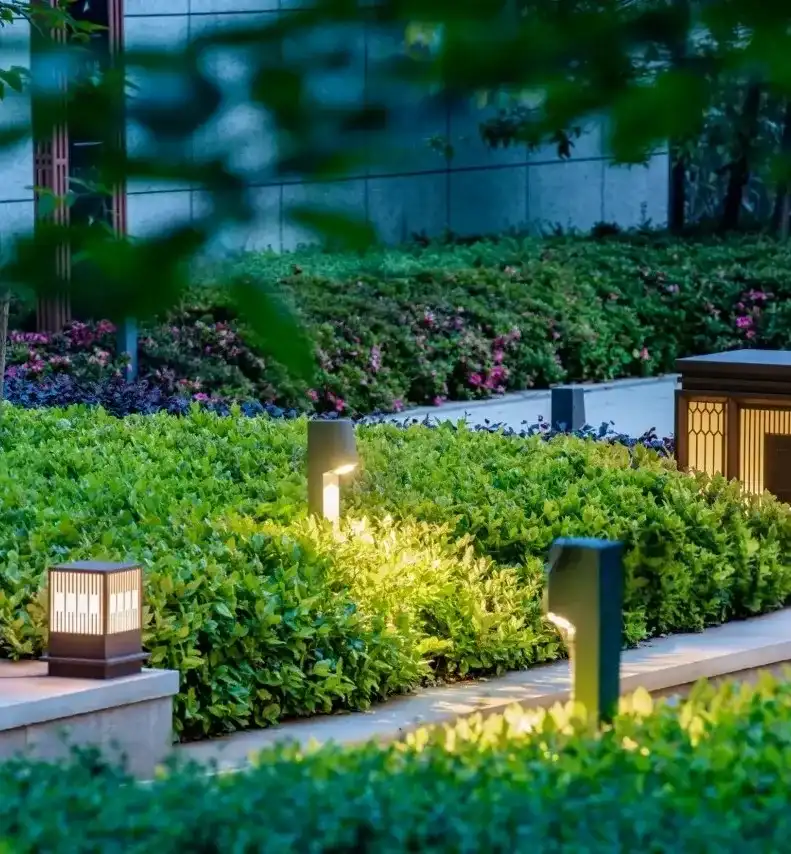
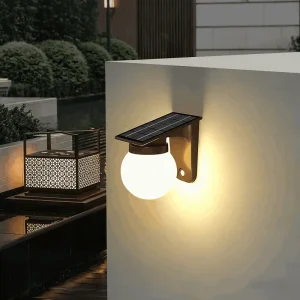
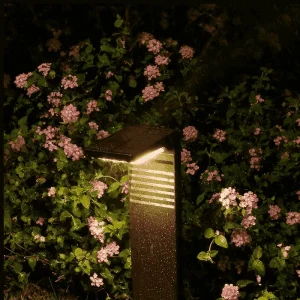

If you’ve ever wanted to squeeze an extra hour of gardening into your day—without stumbling over tools or waking the neighbors—night gardening is a surprisingly gentle solution. With a few well-placed outdoor solar lights, you can tend late-day watering, pick herbs for dinner, and enjoy the quiet satisfaction of a garden at dusk. This guide shows how to make night gardening practical and pleasant, what fixtures to trust, and one smart product to start with so your beds stay productive and your evenings stay calm.
Why Garden After Sunset?
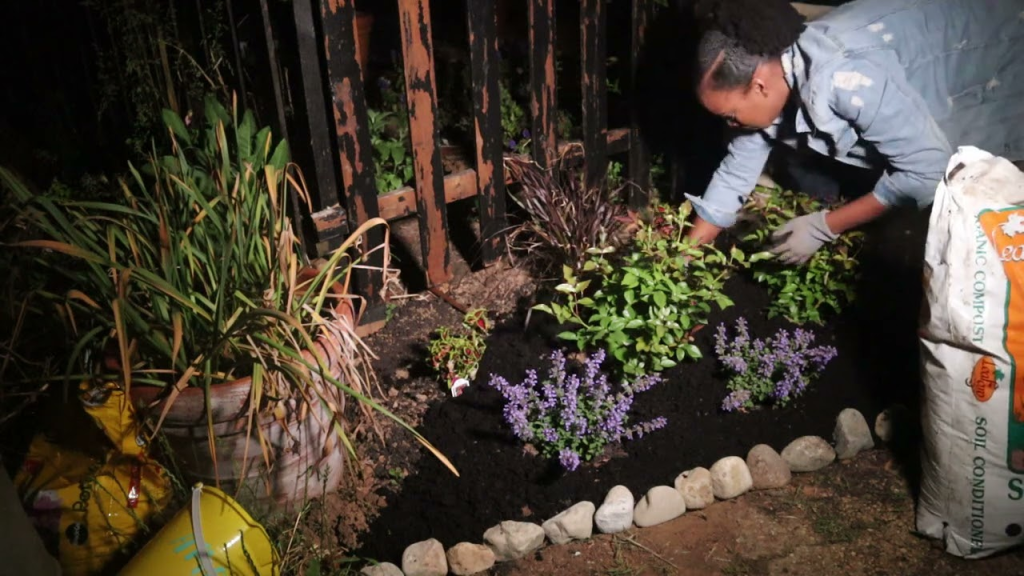
Evening gardening isn’t just romantic; it’s practical. Cooler temperatures reduce plant stress during watering, pests are sometimes easier to spot, and the urgent rush of daytime chores fades. A modest kit of outdoor solar lights creates safe walkways, illuminates seedlings and trellises, and helps you check soil and plant health after work—all without running an extension cord across the lawn.
Outdoor solar lights give you the freedom to garden on your schedule, not the sun’s.
What to Light for Useful Nighttime Work
Not every corner needs the same amount of light. Use outdoor solar lights strategically to support real tasks.
- Paths and steps: Low, even light keeps feet steady when carrying a watering can. A line of small stake lights helps you see roots and avoid trampling.
- Work zones: Put brighter, focused light near potting benches or herb beds so you can trim and snip comfortably. A directional post or spot-style fixture is helpful here.
- Plant inspection points: Keep a soft wash of light on vulnerable plantings—young seedlings, delicate blooms, or new transplants—so you can check for pests or disease before bed.
- Compost and tool areas: A single portable stake near your compost pile or tool hooks makes end-of-day cleanup easier and faster.
When you place outdoor solar lights with these uses in mind, the garden becomes a functional room after dusk.
Choosing Fixtures That Work for Night Gardening
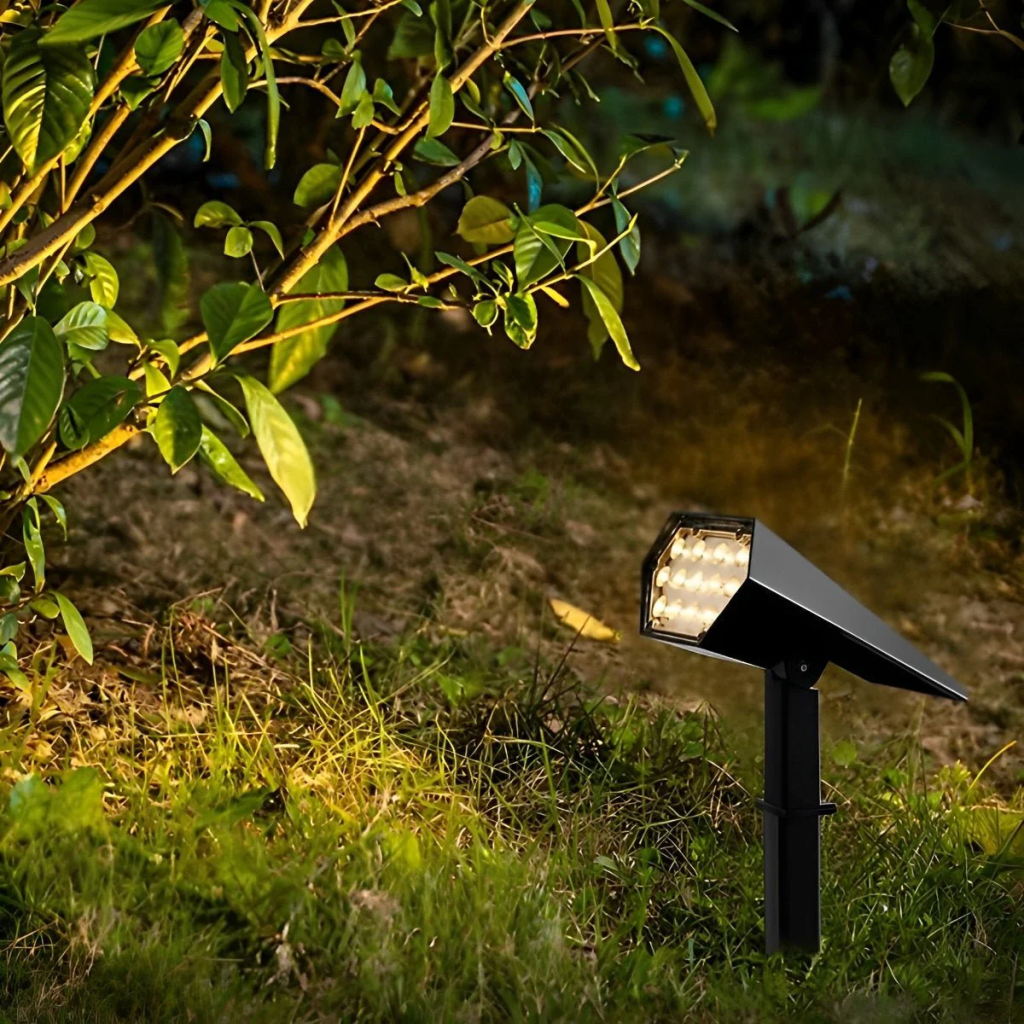
A couple of qualities matter most when you pick outdoor solar lights for a garden: color temperature and directionality.
- Warm vs. cool light: Warm LED tones flatter foliage and make colors readable without being harsh on pollinators—useful if you still want moths and beneficial insects to visit.
- Directed light: Choose fixtures that focus light where you need it; flood-style brilliance is useful for big work areas, but small directional spots and stakes give precise visibility without over-lighting the whole yard.
- Waterproof durability: Gardens are wet places—morning dew, drip lines, and sprinkler overspray. Waterproof outdoor solar lights endure regular exposure without frequent servicing.
Pick a mix: gentle stakes for paths, one or two spot-like posts for tasks, and a portable stake you can move to wherever you’re working that evening.
Smart Habits for Long-Lasting Garden Lighting
A small routine keeps your outdoor solar lights reliable and ready when you need them.
- Daytime placement: Move portable fixtures to sunny spots during the day so batteries charge fully.
- Panel care: Wipe panels weekly during heavy pollen or dusty seasons to maximize charge.
- Battery checks: Replace rechargeable cells on a schedule if runtime drops—fresh cells make every fixture more useful after dusk.
- Seasonal adjustments: Angling panels for low winter sun or shifting stakes as plants grow ensures consistent performance.
A little attention yields many evenings of useful light for your garden.
Integrating Lighting With Plant Care
Think of lighting as part of your horticultural toolbox. For example:
- Use path lights to protect young beds from accidental foot traffic during evening harvests.
- Stage a portable post near new transplants for the first few nights to monitor soil moisture and pests.
- Aim softer lights at flowering herbs so you can harvest scent-rich leaves without crushing blooms.
These small moves make your garden more productive and reduce stress for both you and the plants.
A Gardener’s Friendly Choice
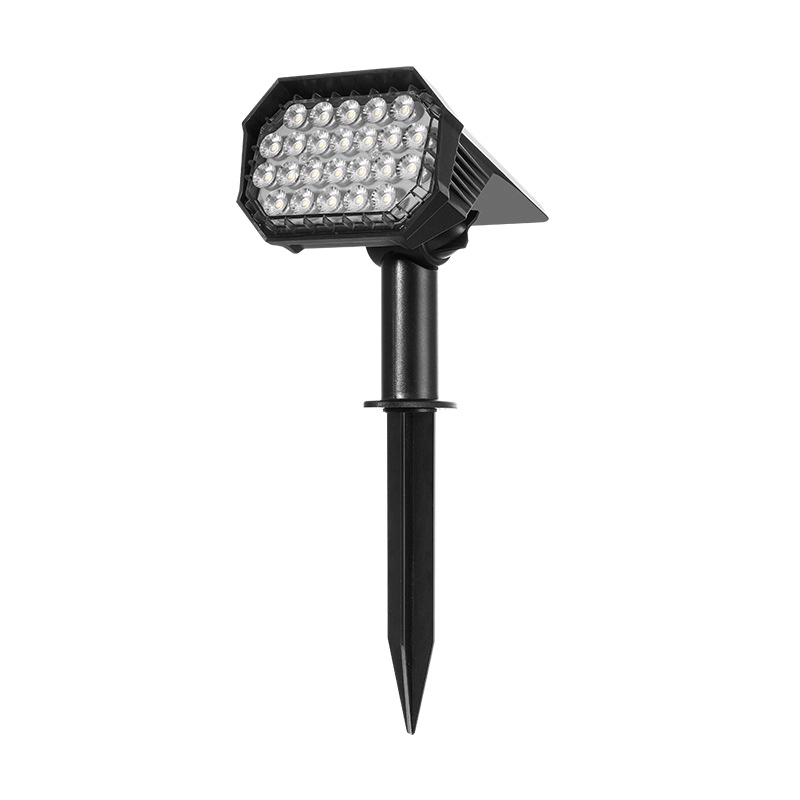
For dependable, flexible garden lighting, the Solar Landscape Garden Lights are an excellent starting point. They blend into beds, offer a pleasant wash for paths and planting areas, and are simple to reposition as your garden changes. Because they’re designed for outdoor conditions and are easy to move, they’re especially useful for gardeners who prefer evenings in the beds rather than bright, permanent installations.
Night-Gardening Etiquette and Wildlife
A responsible night gardener balances human needs with wildlife rhythms. Use focused outdoor solar lights rather than broad, skyward floods; keep most fixtures warm-toned; and avoid over-illuminating natural areas. This approach supports nocturnal pollinators while giving you the visibility you need for harvesting and tending.
Final Checklist Before Your First Night Session
- Plan a simple path from house to work zone and light it with stakes.
- Place one directional post near your primary potting or harvesting spot.
- Move a portable Solar Landscape Garden Light into the sun during the day so it’s ready at dusk.
- Test your layout at twilight and tweak angles for minimal glare and maximal visibility.
With that tiny plan, your garden becomes a calm, productive place long after the sun goes down.
Conclusion—More Harvests, Less Hurry
Night gardening with outdoor solar lights turns a hobby into a flexible ritual. You’ll harvest herbs at peak aroma, water with less evaporation, and enjoy the peace of the garden when the day’s noise fades. Start small with a few strategic lights like the Solar Landscape Garden Lights, adopt a short maintenance habit, and your yard will reward you with more time outdoors and better results from your beds.
When the sun sets, your garden doesn’t have to—discover outdoor solar lighting made for gardeners.