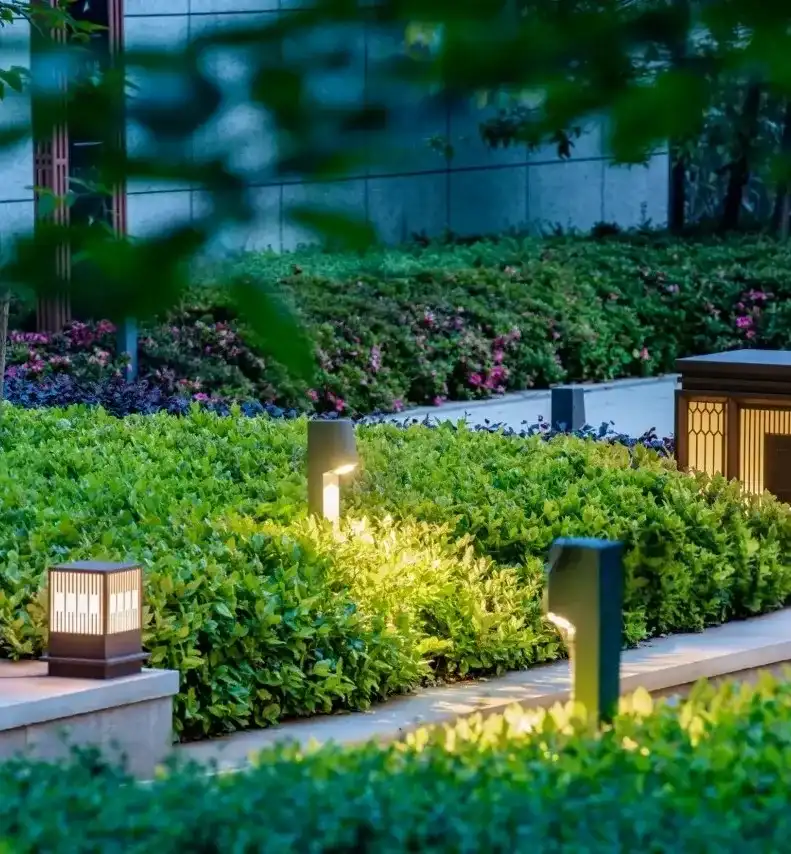
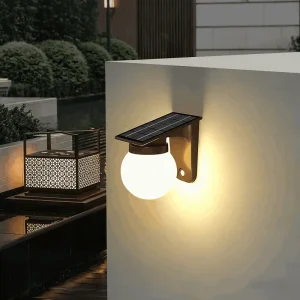
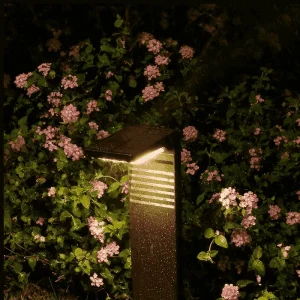

A garden that looks great by day and spectacular at night is one of life’s small luxuries. With the right plant choices and a few well-placed garden lights, your backyard becomes a mood-setting room after dusk. This guide explains how to pair plants with outdoor solar lights so textures, colors, and scents all work together once the sun goes down. Expect practical planting combos, placement rules, and one recommended product that helps you light paths and beds without fuss.
Why Plant Choice Matters for Night Lighting

Not all plants read well under artificial light. Some shine; others disappear. When you design with night in mind, you’re thinking about how light reveals form, not just color. Foliage with silver or variegated leaves reflects light beautifully; architectural plants cast dramatic shadows; night-blooming flowers reward evening visitors with fragrance and visual drama. Pairing the right plants with the right outdoor solar lights makes your garden readable, layered, and unexpectedly intimate.
The Three Plant Categories That Win After Dark
1. Reflective Foliage: Silver, Variegated, and Glossy Leaves
Plants with light-colored or shiny leaves act like natural reflectors. They catch low, warm illumination and create a soft glow across beds.
Good picks:
- Artemisia and lamb’s ear for soft silver textures.
- Hostas with variegation at the edge of paths.
- Eucalyptus or ornamental grasses with glossy blades for vertical shimmer.
These plants respond beautifully to low-angle garden lights—small, stake fixtures that wash leaves from below help the foliage sing without glare. Use outdoor solar lights with diffused LEDs to keep the effect natural.
2. Architectural Shapes: Silhouettes and Shadows
Sculptural plants make night gardens dramatic. Their form becomes the focal point when backlit or side-lit.
Good picks:
- Columnar yews or pruned boxwood for strong silhouettes.
- Agave and yucca for bold, spiky shadows.
- Small trees like Japanese maple for lacy, layered silhouettes.
Use post- or spot-style fixtures to carve light across trunks and structural elements. Placing a single directional beam behind an architectural plant creates depth and a sense of scale.
3. Night Bloomers and Scent-Masters
Some species reward evening visitors with scent and subtle color changes at dusk—perfect for patios and seating nooks.
Good picks:
- Night-blooming jasmine or datura near seating areas.
- Evening primrose along walkways for soft color after dark.
- Nicotiana (flowering tobacco) for scent-rich summer nights.
For these, choose softly diffused garden lights placed close enough to reveal petals without washing out fragrance cues. Motion-activated outdoor solar lights can highlight blooms when guests approach without competing with the plant’s scent.
Lighting Techniques That Flatter Plants

How you light is as important as what you plant. Here are a few techniques that preserve texture and avoid the “stage-light” look.
- Up-lighting for texture: Place a low stake light to illuminate bark, architectural foliage, or statues—the upward angle emphasizes texture.
- Silhouette/backlighting for drama: Put a light behind a sculptural plant so it reads in relief; this is especially good for small trees.
- Wash lighting for groundcover: Use multiple low-output fixtures to gently illuminate ground-hugging plants and paths.
- Spot accents for focal points: Reserve a brighter, directed beam for the single specimen you want to highlight.
When using outdoor solar lights, choose fixtures with a soft LED output and minimal glare; the goal is nuance, not theatrical harshness.
Practical Layout: Five Quick Rules
- Start with the path. Light walkways first so visitors feel safe. Scatter reflective foliage near edges to amplify light.
- Pick three focal points. Too many highlights dilute drama. Choose a tree, a sculpture, and a seating nook.
- Layer low to high. Use stakes for the understory, post lights for mid-height plants, and spot fixtures for taller specimens.
- Mind the panels. Outdoor solar lights need sun—place panels where they get direct exposure or use fixtures with well-angled panels.
- Test at dusk. Adjust angles and distances after dark; the look changes dramatically once shadows appear.
These rules make installation efficient and ensure the garden reads as intended when night falls.
Outdoor Solar Lights: An Eco-Friendly Choice for Your Garden
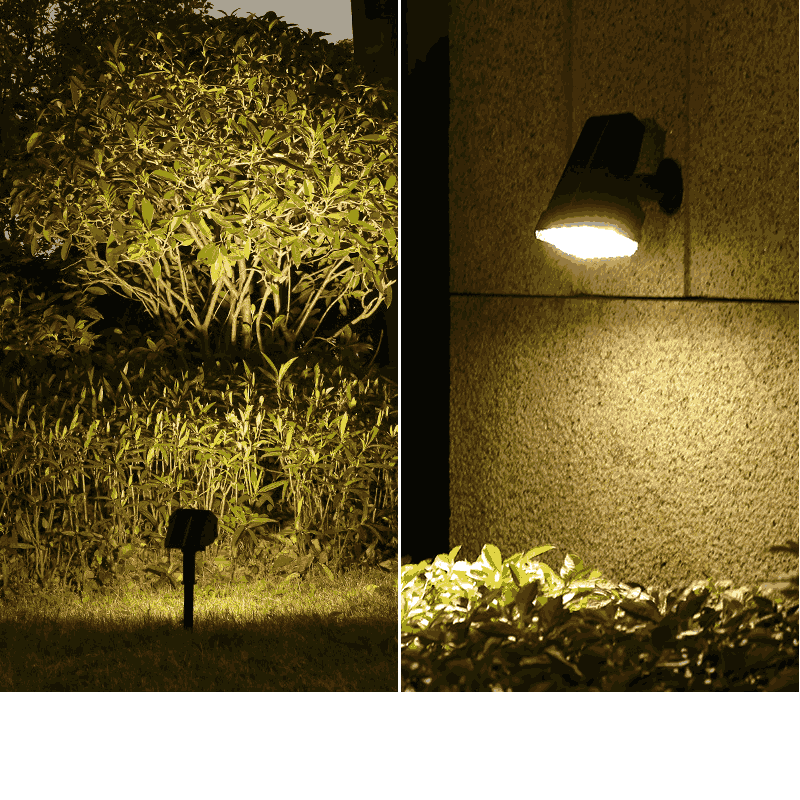
For gardeners who want flexibility and simplicity, the Solar Landscape Garden Lights are a reliable pick. They blend into beds, provide gentle wash lighting, and pair naturally with reflective foliage and low-groundcover plantings. Because they’re stake-mounted and designed for outdoor conditions, these garden lights are easy to reposition as your plants grow—ideal for a living, evolving night garden.
Maintenance Tips That Keep the Night Scene Working
- Clean solar panels seasonally so dust and pollen don’t cut charging.
- Reposition stakes if plants overgrow them so light doesn’t end up buried.
- Replace batteries on a predictable schedule to avoid sudden dark spots.
- Trim plants thoughtfully to preserve silhouettes and avoid blocking panels.
A little seasonal attention keeps the interplay of plant and light consistent year after year.
Conclusion—Plant With Night in Mind
Designing a garden for the evening is an opportunity to rethink texture, scent, and silhouette. Start with reflective foliage and architectural forms, layer in night-blooming plants near seating, and use soft, well-placed outdoor solar lights to reveal your work. A few stakes, like the Solar Landscape Garden Lights, and thoughtful plant pairings transform a daytime bed into a nocturnal scene you’ll actually use.
Transform beds into night gardens with outdoor solar lights—shop the garden lights today